Signs of a traumatic brain injury (TBI) include headaches, dizziness, confusion, memory problems, blurred vision, and sudden mood or personality changes. Symptoms can appear immediately or develop over hours or days. Because even a mild TBI can worsen without treatment, anyone with a blow to the head should seek medical evaluation, especially after a car accident, fall, or workplace incident.
A traumatic brain injury (TBI) can range from a mild concussion to catastrophic, life-altering trauma. Symptoms are not always obvious right away, so knowing what to watch for helps you get a prompt diagnosis and the right treatment plan when it matters most.
What Causes TBI?
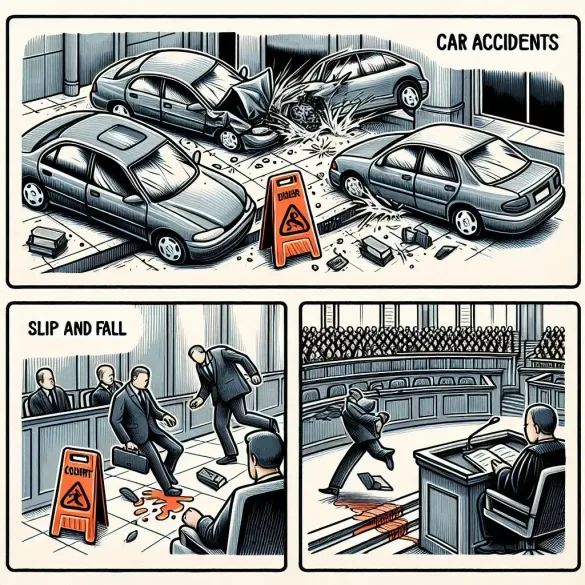 Some common causes of traumatic brain injuries include:
- Car, motorcycle, and bicycle accidents
- Trips, falls, and sports-related impacts, including falling on someone else’s unsafe property
- Workplace accidents involving falls from height or being struck by objects
- Physical violence, child abuse, or domestic violence
- Explosive blasts or forceful shaking, including shaken baby injuries
Understanding what caused the injury helps doctors evaluate its severity and anticipate likely symptoms.



Physical Symptoms of TBI
Traumatic brain injuries can cause immediate physical symptoms such as:
- Headaches, ranging from mild to severe.
- Dizziness and loss of balance or coordination.
- Nausea and vomiting.
- Sensitivity to light and sound.
- Temporary loss of consciousness, a sign of serious injury.
Some physical effects take time to develop or worsen, including:
- Persistent or worsening headaches.
- Seizures.
- Fluid buildup in the brain.
- Impaired motor skills, weakness, or numbness.
- Blurred or double vision.
Doctors may use imaging tests such as CT scans or MRIs to check for internal bleeding, bruising, or swelling.
Cognitive Changes
 Cognitive testing helps identify impaired abilities, while cognitive rehabilitation works to restore lost skills. Recovery takes time, specialist care, and patience. Cognitive symptoms of TBI often include:
- Memory loss – difficulty recalling recent events or retaining new information.
- Concentration challenges – trouble focusing, paying attention, or multi-tasking.
- Communication difficulties – trouble finding words or understanding others, which can strain relationships.
- Impaired decision-making – difficulty weighing options, often followed by second-guessing.
Emotional and Behavioral Changes
Traumatic brain injuries frequently bring emotional and behavioral changes that strain relationships. Support from loved ones and counseling can help. Common changes include:
- Irritability, aggression, or angry outbursts.
- Anxiety, depression, or heightened sensitivity.
- Withdrawal from friends, family, and favorite activities.
- Impulsive or inappropriate actions.
- Difficulty regulating emotions.
Sleep Disturbances
Disruptions to normal sleep patterns are common after a TBI:
- Insomnia, or trouble falling or staying asleep.
- Fatigue and abnormal drowsiness.
- Frequent nighttime waking.
- Decreased sleep quality.
Proper rest supports both cognitive function and emotional well-being. Anyone struggling with sleep after a TBI should talk to a doctor about treatment options.

Unique Symptoms in Children
Children and infants react differently to brain injuries than adults do. Take any regression in your child’s behavior seriously, and consult a pediatrician promptly if a TBI is suspected. Watch for these age-specific signs:
- Crankiness, agitation, or frequent tantrums.
- Excessive sleepiness or difficulty waking.
- Loss of interest in toys, games, or favorite activities.
- Loss of newly learned skills, such as reverting to bedwetting.
- Delayed learning or decreased academic performance.
The Importance of Prompt Medical Attention
Seeking immediate medical help when you suspect a TBI matters because:
- Earlier treatment improves outcomes. Many providers consider the first four to six hours after injury a critical window.
- Doctors can rule out complications requiring emergency care, such as bleeding, blood clots, or swelling.
- Even mild TBIs require monitoring to prevent symptoms from worsening.
- Rehabilitation and treatment work best when they start early.
Diagnosis and Testing
Diagnostic steps help identify the type and severity of the injury so doctors can create the right treatment plan. To diagnose a TBI, doctors may:
- Ask about your symptoms and how the injury occurred.
- Conduct physical and neurological exams to assess function.
- Use imaging tests, such as CT scans or MRIs, to view the brain.
- Perform cognitive assessments to measure thinking abilities.
Treatment and Rehabilitation
Treating a TBI often involves coordinated specialty care, including:
- Medications to manage swelling, headaches, sleep issues, and other symptoms.
- Occupational therapy to regain function in daily activities like dressing, cooking, and returning to work.
- Physical therapy to improve motor skills, strength, balance, and coordination.
- Speech therapy to address communication, swallowing, and cognition issues.
- Vision rehabilitation, including eye movement therapy and prism lenses.
- Neuropsychological testing and therapy to manage cognitive, behavioral, and emotional changes.
Rehabilitation can take months or years depending on injury severity, so patience and active participation matter.

Seeking Support for Recovery
Coping with TBI-related changes can feel overwhelming, and support is essential:
- Join a support group to connect with others who understand the experience.
- Seek counseling, such as cognitive behavioral therapy, to build coping strategies.
- Rely on loved ones by explaining your needs clearly.
- Find an advocate, such as a hospital TBI case manager who can connect you to resources.
Managing Symptoms at Home
Small lifestyle adjustments between doctor’s appointments can make a real difference:
- Avoid screens, bright lights, and noisy environments, which can worsen headaches and sensory sensitivity.
- Use a planner or checklist to compensate for memory and concentration challenges.
- Stay hydrated and avoid alcohol, which can worsen headaches and dizziness.
- Keep a regular sleep schedule and wind-down routine.
- Track moods and behaviors to identify triggers and patterns.
Long-Term Effects of TBI
Most TBI symptoms improve over time, but some effects can last months or years:
Financial Effects
- Medical bills from hospitalization, surgery, rehabilitation, and medication can be financially devastating.
- Lost income from missed work or reduced hours adds further strain.
- Oklahoma law generally requires a personal injury lawsuit to be filed within two years of the injury (12 O.S. § 95), so early legal advice can help protect what your traumatic brain injury claim may be worth.
Emotional Impact
- Emotional after-effects such as psychological injuries like PTSD and anxiety often require ongoing therapy.
- Personality changes can strain relationships with loved ones.
- Adjusting to a “new normal” takes patience.
Physical Effects
- Headaches, dizziness, and cognitive impairment may persist long after the initial recovery period.
- Some people experience seizures, speech impediments, or partial paralysis years later.
- Vision, hearing, and balance issues are also common long-term effects.
Further Reading and Resources
- Centers for Disease Control – Traumatic Brain Injury Resources
- Mayo Clinic – Traumatic Brain Injury
- BrainLine – Coping With Emotional Changes After TBI
- Brain Injury Association of America – Living with Brain Injury


Talk to an Oklahoma City Brain Injury Lawyer
Recognizing TBI symptoms early protects both your health and your legal options if someone else caused the injury. Hasbrook & Hasbrook’s Oklahoma City brain injury legal team can review what happened and explain what steps make sense for your situation.