Knowing what to do after a crash is critical. It can make a huge difference in both your physical recovery and your ability to file a successful file a successful claim. Acting fast protects your health, your legal rights, and your chance at fair compensation.
At Hasbrook & Hasbrook Personal Injury Lawyers, we help accident victims take the right steps after a collision. Our experienced Oklahoma City car accident lawyershandle everything from gathering evidence to negotiating with insurance companies. The following steps outline what every driver should do after a car crash.



The Importance of Taking the Right Steps After a Car Accident
The moments after a car accident are confusing and stressful. However, the actions you take are critical for your safety and can strongly impact any future claim you make. Failing to follow proper procedures can hurt your ability to collect compensation for injuries or vehicle damage.
We always tell clients that what they do immediately after the crash matters most. From calling law enforcement to gathering accident evidence, every detail supports your case. Insurance companies, police officers, and courts rely on accurate documentation to determine fault and fair payment. By following the right steps, you protect your rights and build a stronger insurance claim.
Step 1: Check for Injuries and Call for Help
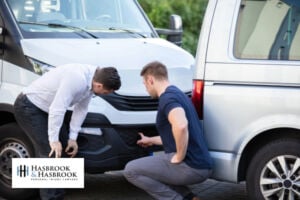
After any crash, check yourself, passengers, and others for injuries. If anyone is hurt, call 911 immediately. Even minor pain or dizziness could indicate internal bleeding or a serious medical issue. Getting emergency medical care helps protect your health and creates an official medical record of your injuries.
Do not move injured individuals unless there is immediate danger, such as fire or leaking fuel. Stay calm and wait for medical professionals to arrive. Remember that accident victims may experience shock and not feel pain right away — always seek medical attention as soon as possible.
Step 2: Move to a Safe Location if Possible
When it’s safe, move your vehicle to the side of the road if it is blocking traffic. Be sure to activate your hazard lights immediately to warn other drivers and avoid further collisions. In some cases, setting up reflective triangles or flares can also help.
If you cannot move your car, stay inside with your seatbelt fastened until help arrives. Avoid standing near moving traffic or in the middle of the road. Safety should always come first after any vehicle collision.
Step 3: Contact Law Enforcement and File a Report
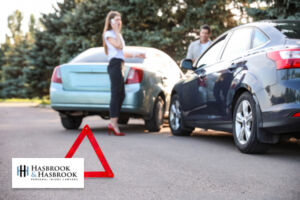
Call law enforcement right away so an officer can investigate the scene and create an official report.
The police report includes important details such as the date, time, weather, driver statements, and license plate numbers. This document will help establish fault and serve as critical evidence for insurance claims or legal cases. Always ask for the report number and find out how to obtain a copy from the police department or the Department of Motor Vehicles.


Step 4: Gather Evidence at the Scene
Collecting evidence at the scene of an accident helps support your insurance and injury claim. Details can fade quickly, so it’s best to document everything as soon as possible.
Take Photos and Videos
Use your phone to take clear photos and videos of:
- Vehicle damage and license plate numbers
- Road and weather conditions
- Skid marks, broken glass, and traffic signs
- Visible injuries and torn clothing
These photos will help insurance adjusters and your lawyer understand how the accident occurred. Visual evidence is often the most powerful proof in a car insurance claim.
Exchange Information with Drivers and Witnesses
Be sure to exchange contact details with all drivers involved. Record:
- Full names, addresses, and phone numbers
- Driver’s license and vehicle registration numbers
- Insurance company names and policy numbers
- License plate numbers and vehicle models
If there are witnesses, get their names and phone numbers too. This information will help your attorney verify statements and confirm fault during the insurance claim process.
Get a Copy of the Police Report
Always request a copy of the official police report once it’s available. You can get it from the responding police department or at the station where the report was filed.
The accident report often includes the officer’s observations, diagrams of the crash, and statements from witnesses. This document helps your lawyer prove liability and supports your insurance coverage claim. Providing it to your insurance provider or injury lawyer ensures they have all the facts needed to represent you effectively.
Step 5: Seek Immediate Medical Attention

After an auto accident, always seek medical treatment — even if you feel fine. Some injuries, such as whiplash, concussions, or internal bleeding, may not show symptoms right away. Seeing a doctor helps protect your health and ensures your medical records reflect all injuries from accidents. These records are crucial evidence when filing an accident claim or pursuing compensation for medical bills and medical bills and lost wages from auto accident.
Accident victims are encouraged to seek prompt medical care to document bodily injuries under state law. Always follow your doctor’s advice for follow-up appointments or therapy. Medical documentation helps prove that the crash caused your injuries and supports your personal injury protection and auto insurance claims.
Step 6: Notify Your Insurance Company
After receiving medical attention, contact your insurance company to report the collision. Provide accurate information, such as your driver’s license number, insurance policy details, and the police report number. Be honest but careful — avoid admitting fault or speculating about damages.
Insurance representatives and adjusters may try to reduce the payout or blame other parties. That’s why it’s best to speak with a qualified attorney before giving recorded statements. We deal directly with insurance companies to protect your rights and help you secure fair settlements under local insurance requirements.
Step 7: Document Everything After the Crash

Strong documentation is essential for any car accident claim. Keeping accurate records supports your insurance claim and helps your lawyer prove losses like medical expenses, property damage, and emotional suffering.
Keep Medical Bills and Repair Estimates
Keep copies of all doctor visits, hospital bills, prescriptions, and physical therapy records. These expenses show how the auto accident affected your health and finances.
Also, save auto repair estimates, photos of vehicle damage, and receipts from the rental car company if you needed temporary transportation. Comprehensive documentation ensures no cost goes unaccounted for, from vehicle repair to medical payments coverage under your automobile insurance policies. Your lawyer can use this journal to calculate calculate pain and suffering damages damages and support claims for both physical and emotional recovery.
Maintain a Pain and Recovery Journal
Write down how your injuries impact your daily life. Record pain levels, mobility problems, and emotional struggles after the crash. Include notes from doctor appointments and updates on recovery progress.
This simple record helps demonstrate how the accident affected your quality of life. Your lawyer can use this journal to calculate pain and suffering damages and support claims for both physical and emotional recovery.

Step 8: Avoid Common Mistakes After a Car Accident
Certain mistakes can hurt your chances of full compensation. Being aware of what not to do helps you protect your case and strengthen your legal position.
Admitting Fault at the Scene
Never admit fault at the accident scene — not even as an apology. Statements like “I’m sorry” can be used against you later by insurance adjusters or opposing attorneys.
Let law enforcement and investigators determine fault through evidence, such as photos, witness statements, and the police report. Even if you believe you might share blame, the state’s comparative fault law could still allow partial compensation for your damages.
Accepting an Early Settlement Offer
Insurance companies often offer quick settlements after an auto accident. These early offers may seem tempting, but they often fail to cover long-term costs such as rehabilitation, lost wages, and ongoing medical care.
Before accepting any any compensation proposal, review it with your lawyer. We can calculate your total damages, including pain and suffering, property repairs, and future expenses. This ensures you don’t accept less than what your claim is truly worth.
Step 9: Contact a Car Accident Lawyer
After any serious auto accident, it’s vital to speak with a car accident lawyer. An experienced attorney investigates the crash, reviews the police report, and communicates with the insurance company on your behalf. We collect evidence, such as pictures, repair estimates, and witness statements, to build a strong case.
At Hasbrok & Hasbrook, we represent clients across the state with professionalism and compassion. Our law firm handles all legal issues — from filing your car insurance claim to negotiating fair settlements. We work on a contingency basis, meaning you pay no fees unless we win your case. Contact us today for a free consultation and let us help you recover the compensation you deserve.
Compensation You May Be Entitled To After a Car Accident

After a car accident, victims may be entitled to several types of compensation. These damages help cover the financial and emotional toll of the crash. We work to ensure every client receives a full and fair settlement under the state’s laws.
Our accident checklist includes reviewing your auto insurance coverage, including collision and uninsured motorist coverage, to identify all possible sources of compensation. The most common categories of damages include:
- Economic damages for measurable financial losses
- Non-economic damages for pain and emotional suffering
- Punitive damages for reckless or intentional conduct
Economic Damages
Economic damages cover the direct financial losses you face after an auto accident. These often include:
- Medical bills for hospital visits, surgeries, rehabilitation, and medication
- Lost wages for missed work and reduced future income
- Vehicle repair costs or the replacement value if your car is totaled
- Rental vehicle costs from a rental company while your car is under repair
We also help clients recover additional expenses like towing fees and doctor follow-up appointments. Whether it’s filing through your own insurance agent or negotiating with another driver’s insurer, we make sure every dollar is accounted for. Our team carefully reviews your insurance policy, driver’s license number, and any paperwork from the police station to support your claim.
Non-Economic Damages
Non-economic damages address the emotional and physical suffering that doesn’t appear on a bill. These may include:
- Pain and suffering from physical injuries or chronic discomfort
- Emotional distress caused by trauma or anxiety after the crash
- Loss of enjoyment of life due to limited mobility or permanent injuries
These damages recognize how a serious accident changes a person’s daily life. We often work with medical experts and therapists to document these effects clearly. Whether you’re dealing with severe injuries, emotional harm, or long-term limitations, our goal is to help you recover the maximum compensation allowed by the law.
Punitive Damages in Severe Cases
Punitive damages may apply when a driver’s behavior goes beyond negligence — such as reckless driving, drunk driving, or intentional harm. These damages serve as punishment and aim to prevent similar misconduct in the future.
Our firm reviews every detail, from accident reports to driver’s insurance information, to determine if punitive damages are justified. We also examine patterns of behavior through resources like the National Insurance Crime Bureau to uncover possible fraud or reckless conduct. In cases involving rental vehicle collisions or uninsured motorists, we work closely with the rental company and your insurance provider to make sure all responsible parties are held accountable.
Frequently Asked Questions
What if the other driver doesn’t have insurance?
You can file an uninsured motorist claim through your own auto insurance policy. Having uninsured motorist coverage helps protect you from paying out-of-pocket costs.
Should I see a doctor if I feel fine after the crash?
Yes, always see a doctor. Some injuries, like concussions or internal bleeding, may not show symptoms right away but can cause serious medical issues later.
Can I handle a car accident claim without a lawyer?
You can, but working with an experienced attorney helps ensure fair compensation. We handle communication with insurance companies and protect your rights throughout the claim process.
What if I were partially at fault for the accident?
The state’s modified comparative fault law allows you to recover damages even if you share partial blame. Your lawyer can help prove liability and maximize your settlement.

Contact Our Car Accident Lawyers for a Free Case Evaluation

We know life after a car accident is incredibly stressful. The financial pressure from medical bills, lost income, and vehicle repairs can be overwhelming. Our team at Hasbrook & Hasbrook works to protect your rights and provide clear guidance through the entire claims process.
We help clients review their auto insurance, including collision and comprehensive coverage, to ensure they understand their benefits. Our attorneys can also explain options like accident forgiveness and how to get a car insurance quote that fits your situation.
Have you or a loved one been injured in an auto accident? Contact us for a free consultation. Let us help you recover and move forward with your life.