Not automatically. Oklahoma follows the analytical approach: compensation for pain and suffering stays the injured spouse’s separate property, while damages that replace marital income or reimburse marital funds, such as lost wages and medical bills paid from a joint account, can be divided as marital property under 43 O.S. § 121.
Is a Personal Injury Settlement Marital Property in Oklahoma?
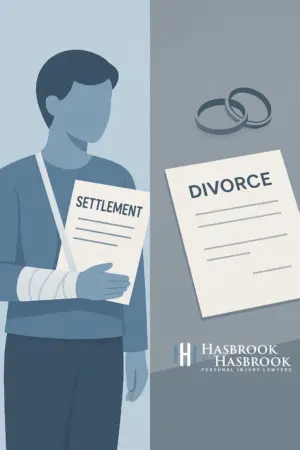 Oklahoma courts do not automatically treat a personal injury settlement as marital property just because you received it during the marriage. Unlike community property states, which split assets acquired during marriage regardless of source, Oklahoma is an equitable distribution state: courts divide marital property in a manner that is fair, but not necessarily equal, based on what each part of a settlement actually compensates for.
The Oklahoma Court of Civil Appeals applied this approach in In the Matter of the Marriage of Diaz, 2018 OK CIV APP 17, and earlier in Taylor v. Taylor, 1992 OK CIV APP 22. Some parts of a settlement stay separate property under this analysis; others, however, can be divided under Oklahoma’s property division statute, 43 O.S. § 121.



Pain and Suffering Stays Separate Property
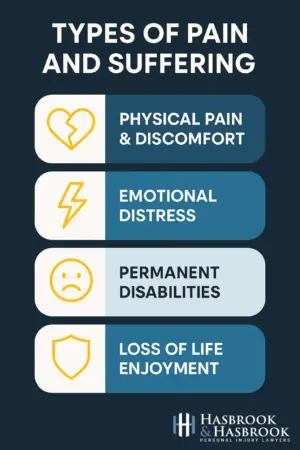 Compensation for pain and suffering remains the injured spouse’s separate property under Oklahoma law. That includes:
- Physical pain and discomfort
- Emotional distress and mental anguish
- Permanent disability or disfigurement
- Loss of enjoyment of life
As the court explained in Taylor v. Taylor, Oklahoma’s analytical approach looks at what the damages were awarded for, and pain and suffering damages tied to your injuries are personal to the injured spouse. A judge cannot order you to split them with a soon-to-be ex-spouse.
Lost Wages and Medical Bills Can Become Marital Property
Certain economic parts of a personal injury claim are treated differently. Lost wages you would have earned during the marriage are generally marital property. Medical bills paid from a joint account before the divorce is filed are usually marital property too, while medical expenses you pay after the divorce remain your separate cost. Compensation for damage to a car or other jointly owned asset is typically marital property as well.
Protecting Your Settlement From Division
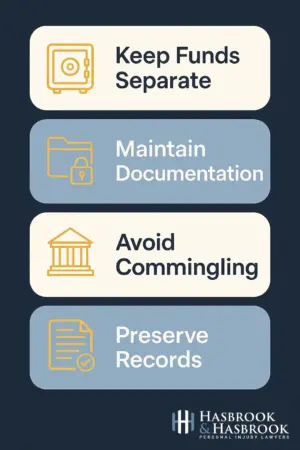 The biggest risk to keeping settlement money separate is commingling it with marital funds. Once settlement proceeds are deposited into a joint account or mixed with marital property, an Oklahoma court may treat the entire amount as marital property, especially once it is no longer possible to trace the money back to the settlement.
Keep settlement funds in a dedicated account, avoid depositing any of it into joint accounts, and hold onto your settlement agreement and related records. Under Standefer v. Standefer, 2001 OK 37, the injured spouse carries the burden of proving which parts of a settlement should stay separate, so documentation matters.


Timing and Documentation Affect How a Court Divides a Settlement
How long you were married, when the underlying accident occurred, and what your settlement agreement says all affect a court’s decision. A settlement for an accident that happened before the marriage generally stays separate property, and if you and your spouse were already living apart when the accident occurred, they typically have no claim to the proceeds. Many settlement agreements simply state one lump amount without separating pain and suffering from lost wages or medical bills. Even then, Oklahoma courts can make a reasonable apportionment from the available evidence, including medical records and testimony.
Strategies to Protect a Future Settlement
If you are not yet married, or you and your spouse want more certainty, a prenuptial or postnuptial agreement, prepared with guidance from resources like the American Bar Association’s family law section, can designate a future personal injury settlement as separate property. A structured settlement paid out over time can help too, since ongoing payments for pain and suffering remain separate property. When a settlement does not spell out what it compensates for, expert testimony from a doctor, an economist, or your injury attorney can help establish what portion was for pain and suffering versus lost income.
When Divorce and a Personal Injury Case Happen at the Same Time
If you are handling a personal injury claim and a divorce at the same time, get advice early. Oklahoma also limits how long you have to bring a personal injury claim, so do not let that deadline pass while divorce proceedings are pending. Personal injury settlements and divorce proceedings often move on different timelines, so the attorneys at Hasbrook & Hasbrook can help you understand how a pending injury claim fits into a divorce, including how divorce and emotional injury claims intersect.

Frequently Asked Questions
What settlement money stays separate property in an Oklahoma divorce?
Compensation for pain and suffering, emotional distress, permanent disability, and loss of enjoyment of life stays the injured spouse’s separate property. It is not divided in an Oklahoma divorce.
Can my spouse claim part of a settlement I received during our marriage?
It depends on what the money compensates for. Pain and suffering stays separate, but lost wages and medical bills paid from marital funds are typically marital property.
What is the biggest mistake people make with a personal injury settlement during divorce?
Commingling settlement funds with marital money. Once you deposit settlement proceeds into a joint account, an Oklahoma court may treat the entire amount as marital property.
Who has to prove which parts of a settlement should stay separate property?
The injured spouse. Oklahoma law places the burden of proof on the spouse claiming separate property, so documentation matters.