Oklahoma sets minimum auto liability limits of $25,000 per person and $50,000 per accident for injuries, plus $25,000 for property damage (47 O.S. § 7-103). After a crash, you typically file a property-damage claim and a separate bodily injury claim against the at-fault driver’s insurer, or your own policy if that driver has no insurance.
Filing usually means handling two claims at once: a property-damage claim for your vehicle and a bodily injury claim for medical care, lost income, and pain. Oklahoma is an at-fault state, so the other driver’s insurer generally pays for the harm caused, though your own policy can matter too.



What Insurance Oklahoma Requires
For policies issued or renewed on or after April 1, 2005, Oklahoma’s minimum limits are $25,000 per person, $50,000 per accident for injuries, and $25,000 for property damage (47 O.S. § 7-103), a floor an ER visit or a totaled vehicle can exceed fast. When the at-fault driver carries only the minimum, or nothing, carrying UM or UIM protection on your own policy (36 O.S. § 3636) closes the gap; see how UM/UIM stacking works or the next steps when the other driver has no insurance.
Right After the Crash
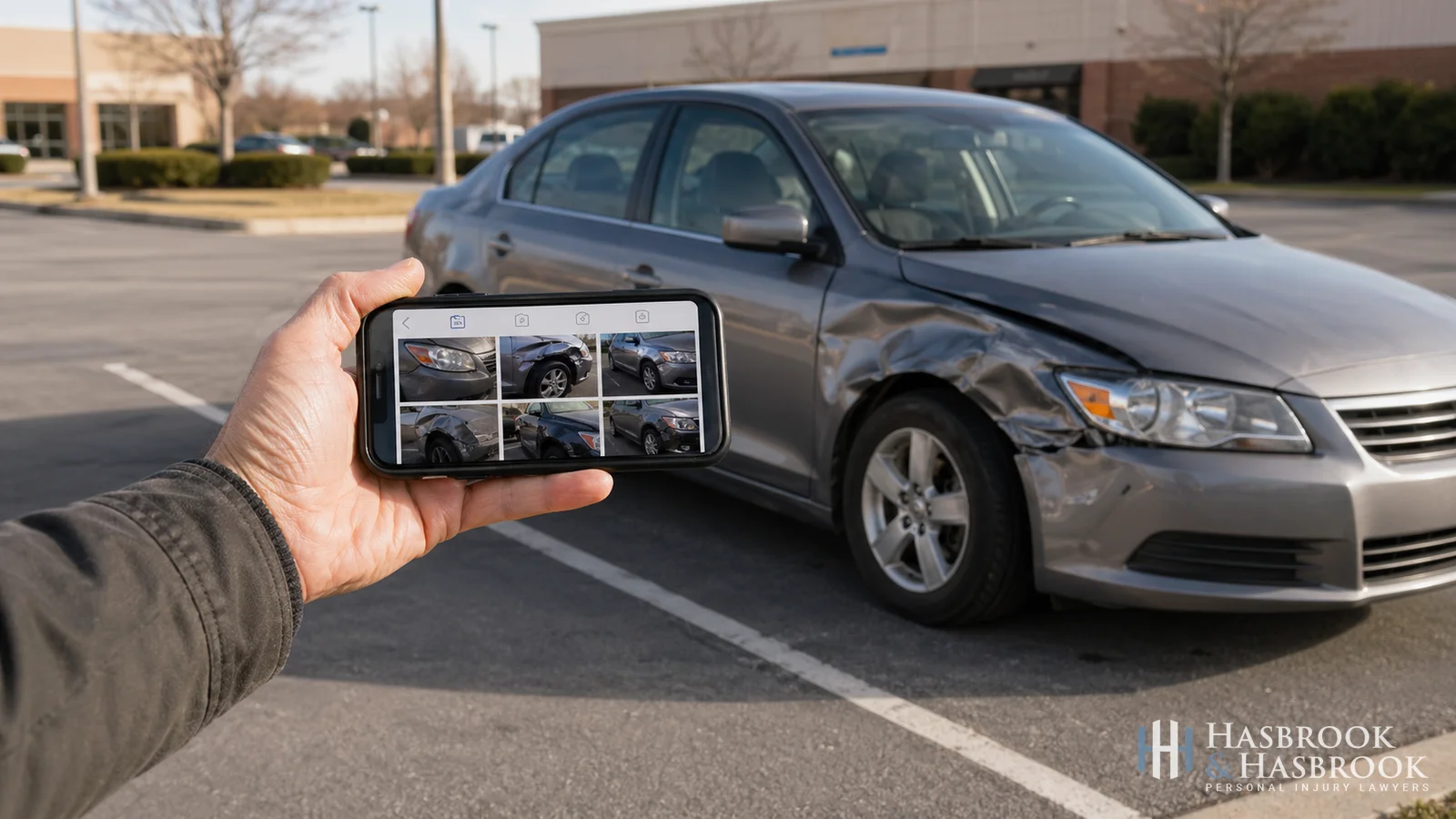
A driver in a wreck causing injury or death must notify police immediately (47 O.S. § 10-107), and everyone involved must exchange name, address, registration, and proof of insurance (47 O.S. § 10-104). Also photograph the scene before vehicles move, get medical care the same day, and keep the collision report number and receipts together. See the first-hours checklist after a wreck.

Notify Your Insurer, Then Expect Two Adjusters

Report the wreck to your own carrier within a day or two; most policies condition coverage on prompt notice. Share only the basics: date, time, location, the other insurer, and that you are seeking treatment. Skip the recorded statement, fault guesses, or a claim-value estimate; you owe the at-fault driver’s carrier nothing beyond identifying yourself. See your rights before giving a recorded statement and what you owe the other driver’s insurer. Separate adjusters then handle whether the car is totaled or a value it loses even after repairs; the injury side waits until treatment ends.
When Insurers Push Back
Even a documented claim runs into standard insurer plays:
- Disputed fault. Oklahoma’s modified comparative negligence rule lets you recover if you are 50 percent or less at fault, reduced by your share (23 O.S. § 13); see how the 50 percent fault bar works.
- Lowball offers. First offers on documented soft-tissue claims often run 30 to 50 percent below actual value. See countering a lowball offer.
- Delay and bad faith. The Unfair Claims Settlement Practices Act (36 O.S. § 1250.5) bars patterned stalling; see when delay tactics cross into bad faith.
- Denials. A denial letter must state a reason; many rest on incomplete records, not a real coverage problem. Report unsupported denials to the Oklahoma Insurance Department.

Filing Deadlines
Oklahoma gives an injured person two years from the accident date to sue, for both the injury and property-damage claims (12 O.S. § 95). Negotiating with an adjuster does not pause that clock; see the exact filing deadline for your claim. A crash involving a city, county, or state vehicle differs, requiring written notice within one year under the Governmental Tort Claims Act; see the shorter notice deadline for government-vehicle crashes.
Do You Need a Lawyer for This?
A clear-liability wreck with a small repair bill and short treatment often settles fine alone. Disputed fault, surgery, lost wages beyond a couple weeks, minimum-limits UM/UIM exposure, or a denial are where legal help changes the outcome. A 2014 Insurance Research Council study found represented claimants received payouts roughly 40 percent higher on comparable claims; the III tracks similar research. See deciding whether you need a lawyer.


Frequently Asked Questions
How long does the process take?
A property-damage claim on a routine wreck closes in two to four weeks. An injury claim runs four to nine months, mostly treatment time; a carrier should respond within 30 to 60 days of a complete demand.
Can I still recover if I was partly at fault?
Yes, if your fault is 50 percent or less. A $60,000 claim with 20 percent fault pays $48,000.
Should I accept the first settlement offer?
Almost never on an injury claim. The first offer reflects the carrier’s lowest defensible number, not real value. See weighing a first settlement offer before signing.
If your claim has stalled, been denied, or the numbers do not add up, Hasbrook & Hasbrook can review the file. Call 405-605-2426 or get help with a stalled or denied claim. No fee unless we recover for you.