When a slip-and-fall injury occurs at a retail store, parking lot, or rental property in Oklahoma, the property owner’s insurer often raises the open-and-obvious defense quickly. If the hazard was plainly visible, the argument goes, the owner had no legal duty to warn and therefore no liability. That framing, while legally grounded, overstates how the doctrine actually works in Oklahoma courts. The visible nature of a hazard typically does not end the case. It becomes a factor in how fault is allocated between the property owner and the injured person.
What the open-and-obvious doctrine means for your claim
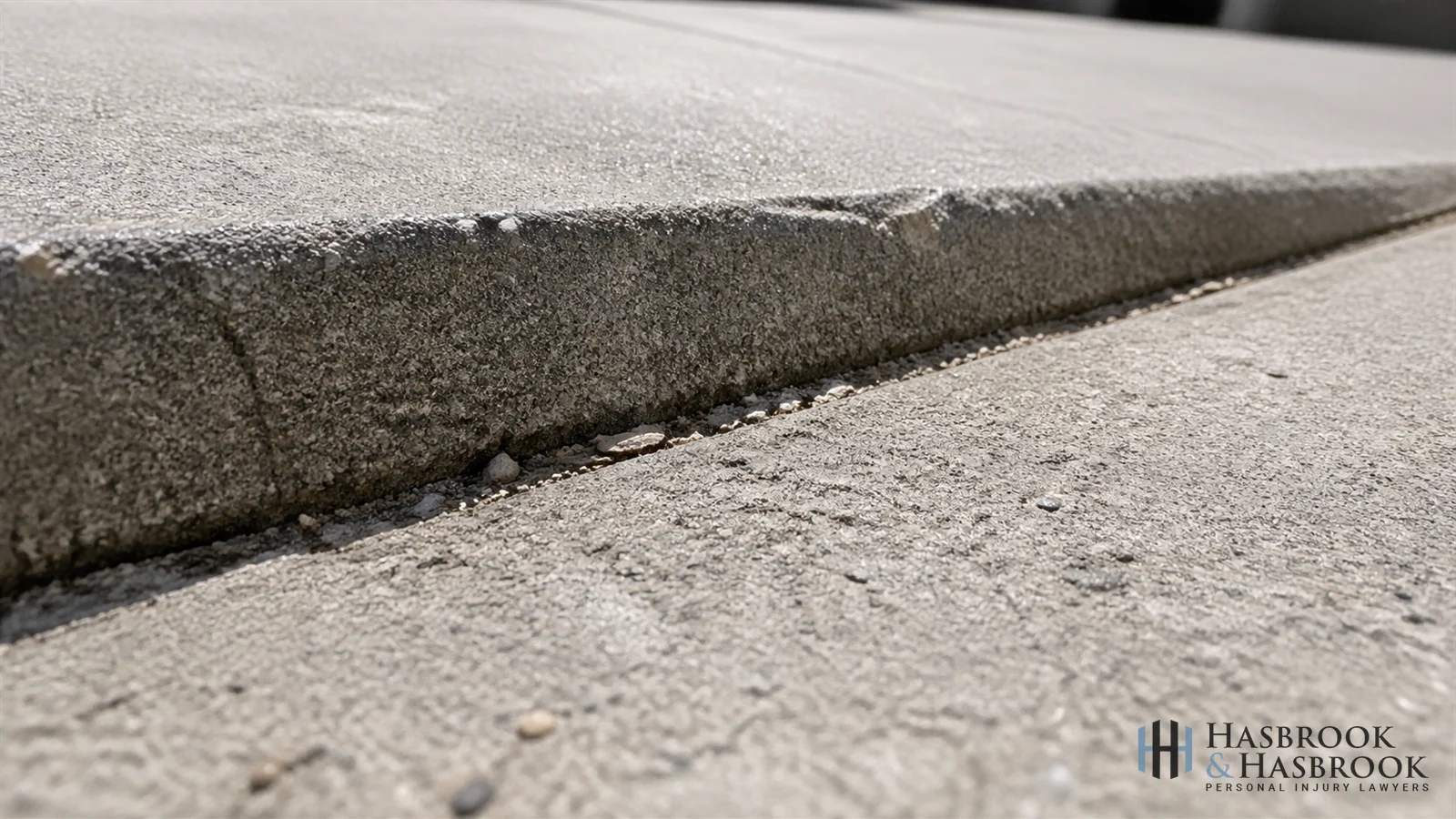
Oklahoma premises liability law, rooted in the premises liability doctrine, classifies visitors by status. For invitees (customers, business guests, and similar visitors welcomed onto property for the owner’s benefit), the law requires reasonable care, inspection for known hazards, and warnings about or correction of dangerous conditions. The open-and-obvious doctrine limits the warning requirement: when a condition is plainly visible and a reasonably attentive person would be expected to see and avoid it, the owner generally owes no warning.
Courts apply this doctrine at the summary judgment stage. If the defense establishes the hazard was objectively apparent, a judge may terminate the case before trial. That outcome is not guaranteed. Oklahoma courts recognize multiple exceptions that preserve a plaintiff’s case, and even when the doctrine technically applies, it rarely eliminates the entire liability question. Slip-and-fall claims can be difficult to win, but the open-and-obvious defense is not an automatic dismissal.
No duty to warn about visible dangers
The traditional formulation limits the warning duty, not the entire liability analysis. An owner who shows a hazard was open and obvious may avoid liability for failing to post a sign or issue a verbal caution. That does not mean the owner is shielded from liability for the fall itself.
Oklahoma courts distinguish between the duty to warn and the duty to maintain safe premises. Even when a hazard is visible, an owner who knew about a recurring dangerous condition and took no steps to correct it may face liability for breach of the maintenance duty. Visibility is one factor, not a final answer. This distinction matters most in cases involving common-area injuries at rental properties and at large retail locations where known problems go uncorrected.



When a property owner still has a duty to remedy the danger
The Restatement (Second) of Torts, which informs Oklahoma premises liability analysis, separates warning duties from remediation duties. Under Section 343A, a property owner who knows visitors will encounter a hazard, and knows or should know they will not protect themselves despite awareness of it, may remain liable even if the condition is open and obvious to a careful observer. The question is foreseeability: could the owner reasonably anticipate that visitors would encounter and be injured by this condition regardless of its visibility?
Establishing what the owner knew and when is the evidentiary foundation for this argument. Maintenance logs, inspection records, prior incident reports for the same location, and repair orders showing the owner had time to act are the primary evidence. The notice-proof documentation guide outlines the discovery requests that establish owner knowledge and the failure to remedy.
The distraction exception
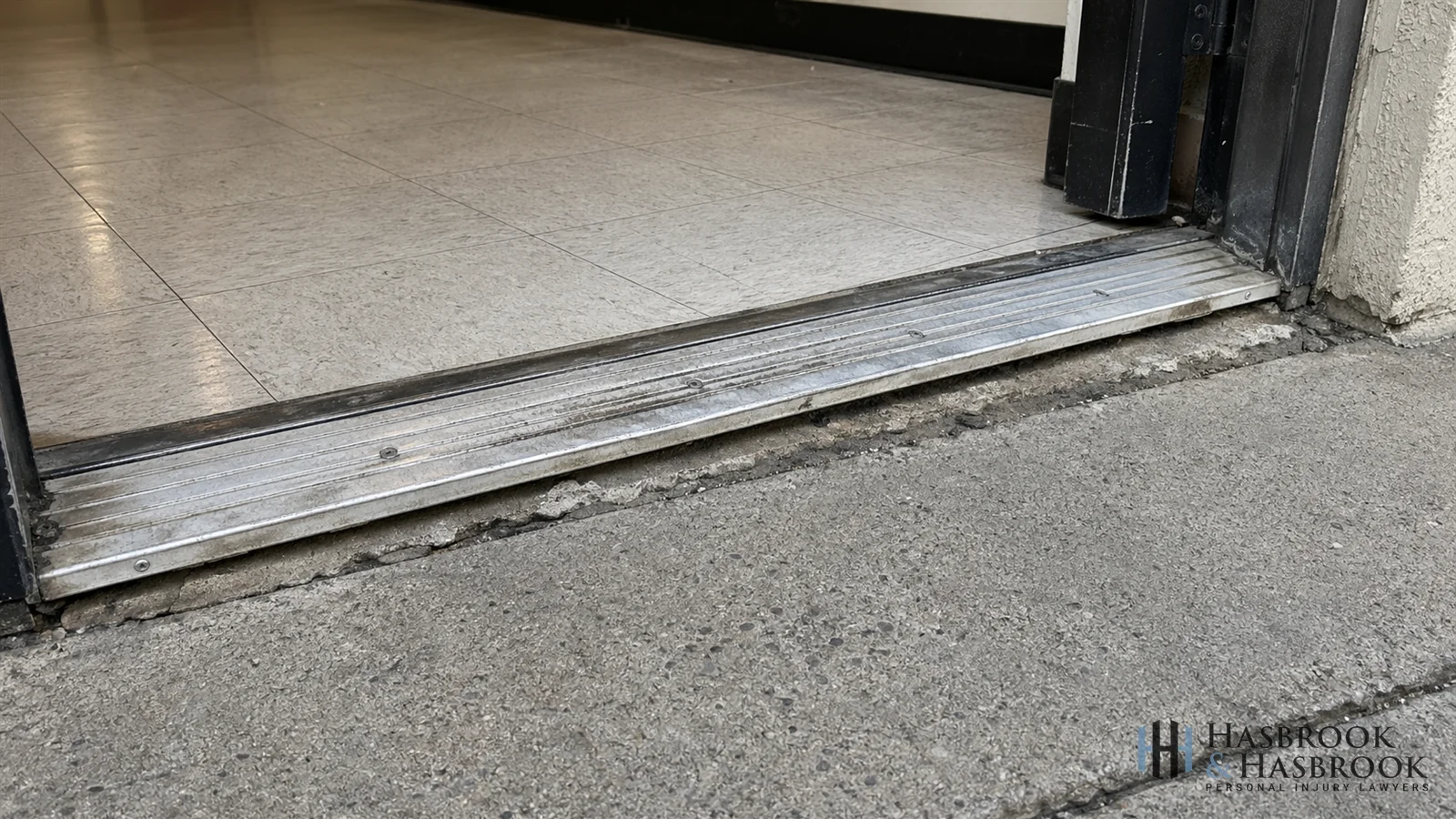
The distraction exception applies when a property owner could reasonably have anticipated that a visitor’s attention would not be on the hazard at the moment of the fall. If the property’s own design, signage, or layout drew the visitor’s eyes away from a dangerous area, the owner cannot fully rely on the hazard’s visibility to defeat the claim.
A familiar example: a grocery store arranges a promotional display directly in the sightline of customers entering through the main door. A floor transition strip (technically visible to someone watching their feet) sits in the path of customers whose eyes are drawn toward the display. The distraction arose from how the store was arranged, not from personal inattention, and the exception may apply.
The exception requires more than ordinary personal inattention. A customer looking at a phone is not in the same position as one drawn by the property’s physical design toward a competing visual focus. The distraction must be reasonably foreseeable from how the property was laid out and operated. Courts have applied the exception in retail, restaurant, and parking lot settings where specific environmental features directed attention away from floor-level hazards. A related consideration applies when a condition is technically visible but practically unavoidable due to layout, addressed further in the strategies section below.
How Oklahoma’s modified comparative fault applies to these claims
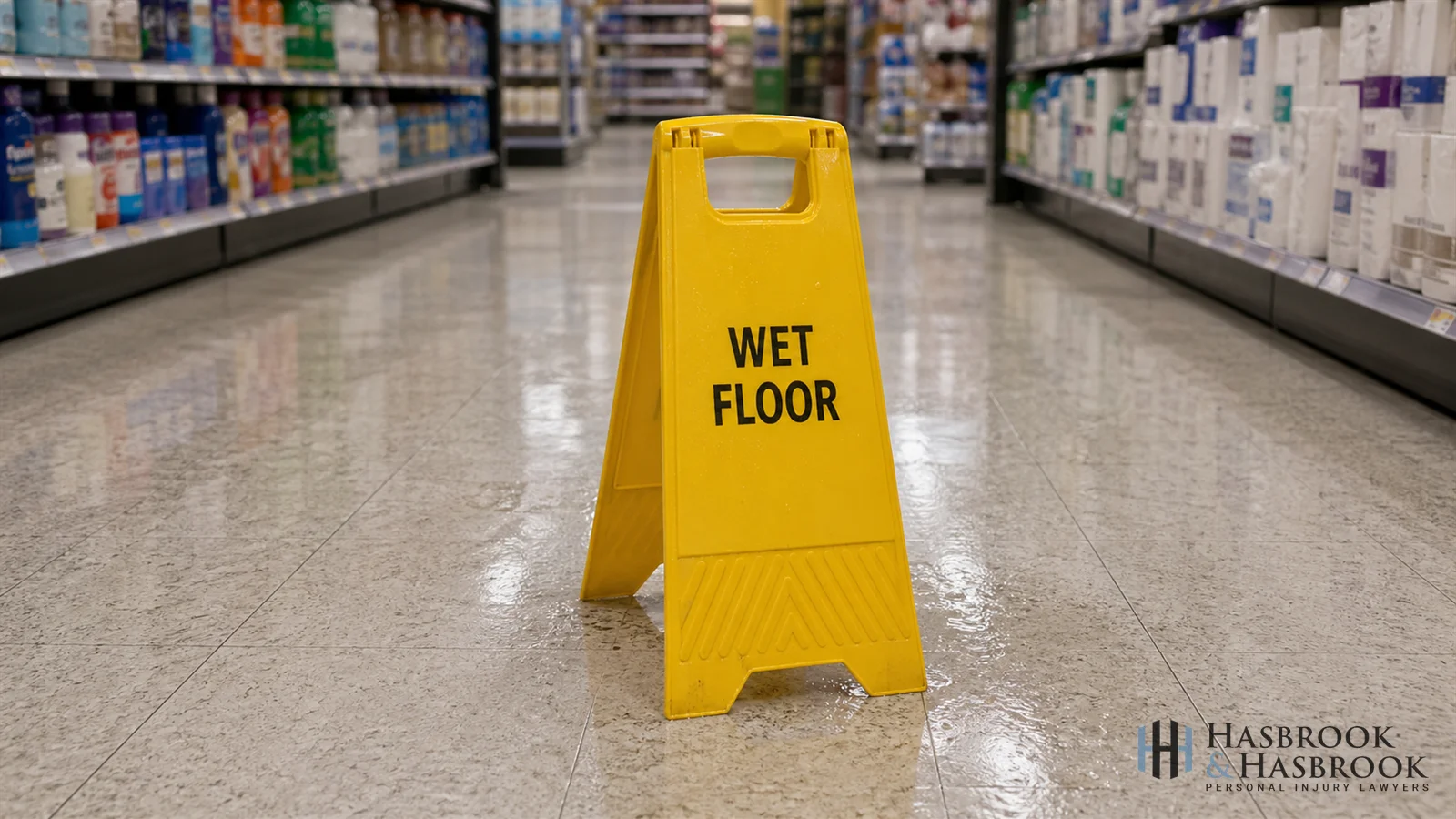
When a court declines to dismiss a case on open-and-obvious grounds, the doctrine typically reappears at trial as a comparative fault argument. Oklahoma applies a modified comparative fault rule under 23 O.S. § 13: a plaintiff may recover damages as long as their percentage of fault does not exceed the combined fault of all defendants. Recovery is barred only when the plaintiff’s fault is greater than 50%, not at exactly 50%.
In a typical trial, the defense argues that a plaintiff who walked into a visible hazard should bear fault equal to or greater than the property owner’s. If a jury allocates 35% fault to the plaintiff and 65% to the property owner, the plaintiff recovers 65% of total damages. For a detailed look at how fault percentages are argued, see our page on comparative fault in Oklahoma slip-and-fall cases. If you are concerned about your own role in the fall, the FAQ on being partially at fault for a fall explains how fault sharing affects your recovery.

Strategies for overcoming the open-and-obvious defense
Effective counter-arguments require both the right legal theory and the evidence to support it. Several approaches have succeeded in Oklahoma premises cases:
- Challenge whether the hazard was truly obvious. Poor lighting, unusual floor patterns, shadows, and obstructed sightlines can undermine the defense. If the condition was not as apparent as the owner claims, that is a factual dispute for a jury.
- Apply the distraction exception. Document how the property’s design, merchandising, or signage created a foreseeable reason for the visitor’s attention to be elsewhere at the moment of the fall.
- Show the hazard was unavoidable. When no reasonable alternative path exists and the visitor must cross the condition to reach the destination, visibility alone may not insulate the owner.
- Establish the duty to remedy. Even when warning duty is absent, prove the owner had notice and time to fix the condition. Maintenance records and inspection logs are central evidence.
- Minimize fault allocation at trial. Build the strongest case for the property owner’s negligence to reduce the plaintiff’s assigned percentage and maximize recovery.
Our overview of valid defenses in Oklahoma slip-and-fall cases covers other arguments property owners raise alongside this defense.
Steps to take after a fall where this defense is likely
The open-and-obvious defense is hardest to overcome when documentation is thin. Surveillance video overwrites within hours, witnesses move on, and property owners may correct the hazard before it can be independently inspected. These steps protect your ability to counter the defense:
- File a written incident report before leaving the property. Get the report number or a copy of the confirmation.
- Photograph the hazard from multiple angles, capturing lighting conditions, sightlines, and any nearby visual distractions.
- Send a written preservation demand for video footage. A demand letter creates a legal obligation to preserve. Most systems overwrite within 24 to 72 hours. See our overview of security camera footage in premises liability cases.
- Collect witness information. Anyone who observed the area before the fall can testify about what the condition actually looked like. Our FAQ on witnesses in slip-and-fall claims explains their role.
- Seek medical care promptly and retain all records. Delays give insurers room to minimize the injury or attribute it to a pre-existing condition.
Our slip-and-fall evidence preservation checklist lists everything to gather in the first 48 hours. The full post-fall steps guide covers action items for the days that follow.
How an attorney challenges the open-and-obvious defense
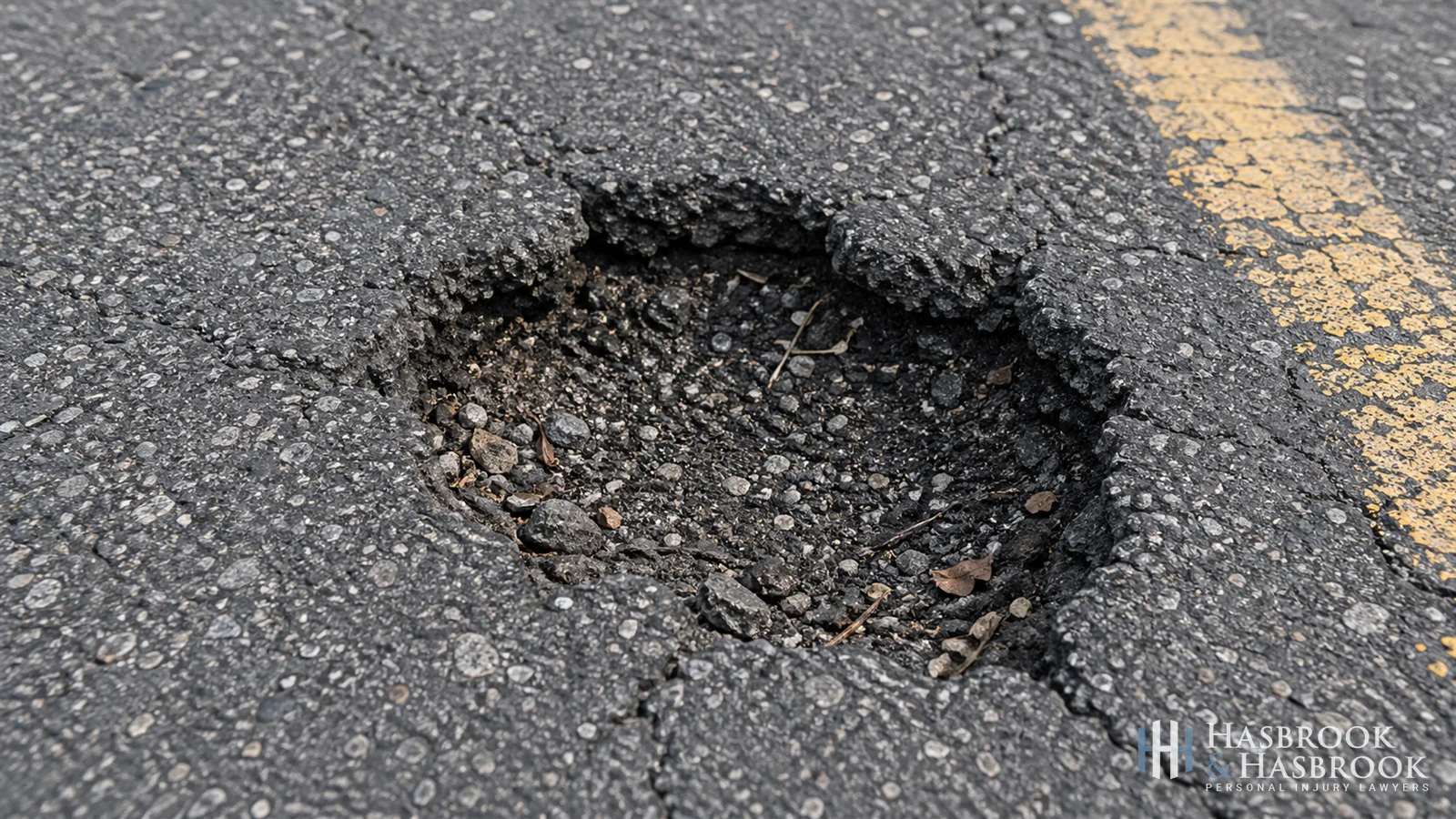
Hasbrook & Hasbrook Personal Injury Lawyers represent people injured in Oklahoma slip-and-fall and premises liability cases. When the open-and-obvious defense is raised, we examine site conditions, review prior incident records, analyze property layouts for distraction factors, and work with available video to argue that the defense does not apply or that the property owner’s fault substantially exceeds the client’s share. An honest evaluation of what a slip-and-fall case may be worth starts with assessing these defenses directly.
Oklahoma’s personal injury filing deadline is two years from the date of injury under 12 O.S. § 95. Missing that deadline ends the legal option to recover regardless of the strength of the underlying claim. Contact Hasbrook & Hasbrook Personal Injury Lawyers before speaking with the property owner’s insurer. Early involvement is the most effective way to preserve the evidence that counters this defense.


Frequently asked questions about the open-and-obvious defense in Oklahoma
Is the open-and-obvious doctrine a complete defense in Oklahoma?
Not automatically. Oklahoma courts have generally declined to treat the doctrine as an absolute bar to recovery. In most cases, the visible nature of a hazard becomes a comparative fault factor: the jury weighs how much the plaintiff’s awareness contributed to the fall versus how much the property owner’s failure to remedy the condition contributed. A plaintiff can still recover under the state’s modified comparative fault rule as long as their fault does not exceed 50%.
What is the distraction exception and how does it apply?
The distraction exception applies when the property owner could reasonably have anticipated that a visitor’s attention would not be on the hazard at the moment of the fall. If the property’s design, signage, or operations drew a visitor’s focus away from a floor-level danger, the owner may remain liable despite the visible nature of the hazard. The test is whether the distraction was foreseeable from the property itself, not whether the visitor was personally inattentive.
Does knowing about the hazard mean I cannot recover?
Awareness of a hazard affects fault allocation but does not automatically bar recovery. If you noticed a slippery surface but had no practical alternative path, or if the property’s design drew your attention elsewhere, awareness alone may not defeat your claim. Oklahoma juries weigh the totality of circumstances, including whether a reasonable person in your position could have avoided the condition given the layout and purpose of the visit.
How long do I have to file a slip-and-fall claim in Oklahoma?
Oklahoma’s standard personal injury limitation period is two years from the date of injury under 12 O.S. § 95. If the property owner is a government entity, the Governmental Tort Claims Act imposes shorter notice requirements, often with a one-year notice deadline before suit. Missing the applicable deadline ends the right to recover regardless of how strong the underlying case may be. See our overview of the Oklahoma personal injury statute of limitations for details on tolling rules and government-property exceptions.