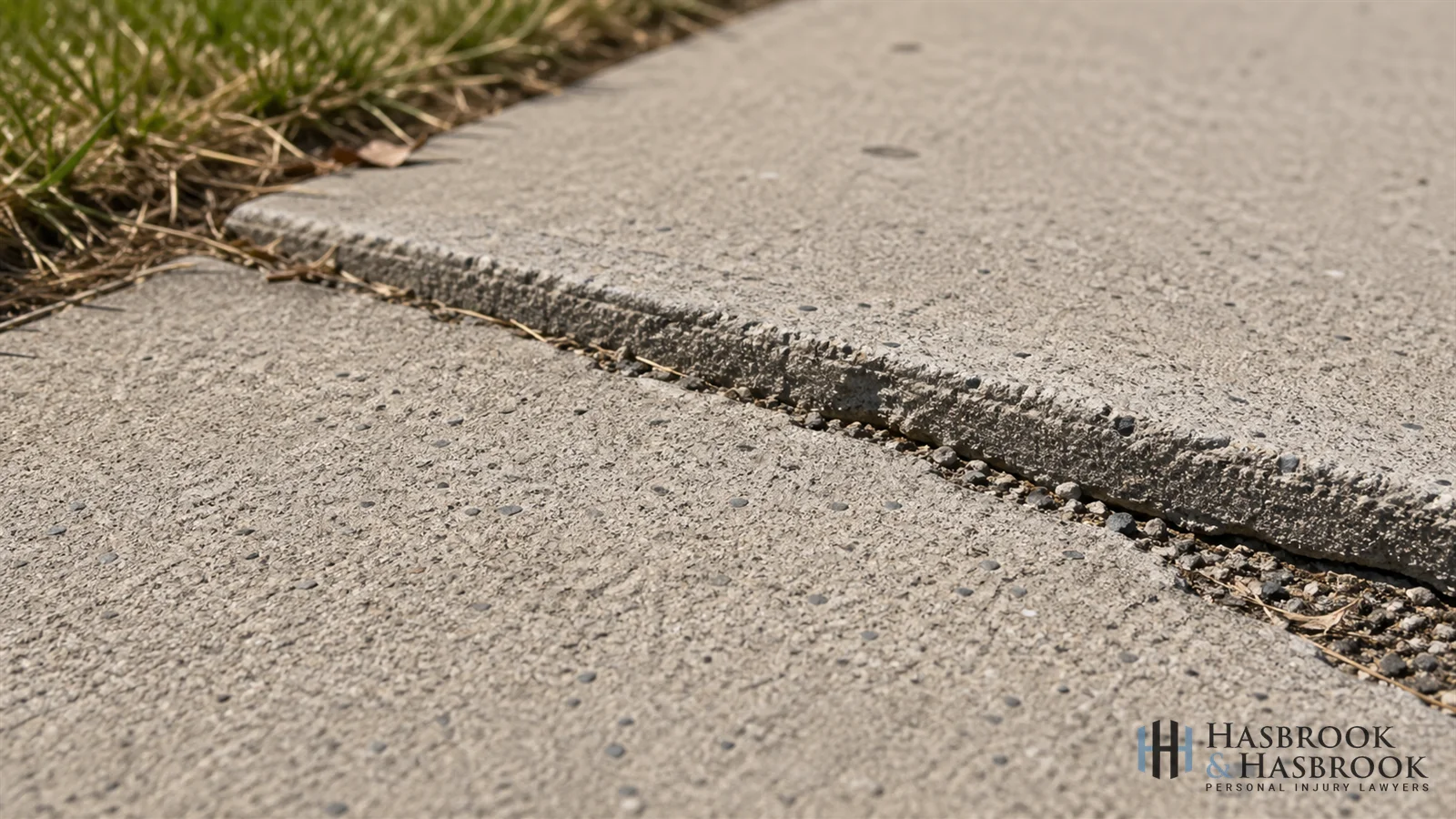
Understanding Comparative Fault in Oklahoma
Comparative fault assigns a percentage of responsibility to each party in an accident. Your recovery is reduced by your own share. A plaintiff who bears some responsibility can still receive compensation, but the award shrinks proportionally. This framework governs all premises liability claims in Oklahoma, from grocery stores and apartment complexes to retail parking lots, including all Oklahoma City slip and fall cases.
Oklahoma’s Modified Comparative Negligence Law Explained
Oklahoma follows a modified comparative negligence framework under 23 O.S. § 13. Your fault percentage must remain less than 50% for compensation to flow. A plaintiff whose degree of fault exceeds the defendant’s is barred from recovery entirely. This differs from pure comparative states, where any plaintiff recovers regardless of fault, and from contributory negligence states, where even 1% fault bars all recovery. Oklahoma’s modified rule is the meaningful middle ground.



What You Actually Have to Establish
Before comparative fault applies, you must first show the property owner knew or should have known about the hazardous condition and failed to address it. Our guide on notice proof in Oklahoma slip and fall cases details how courts assess that knowledge requirement. Once liability is established, comparative fault becomes the battleground for how much you collect.
How Juries Allocate Fault in Slip and Fall Cases
Oklahoma juries use a special verdict form that assigns a fault percentage to each party, totaling 100%. The judge then reduces the damages award by the plaintiff’s share. Under 23 O.S. § 15, each defendant pays only their proportionate share of the judgment.
Jurors weigh security camera footage, incident reports, maintenance logs, and witness accounts. Our slip and fall evidence preservation checklist shows what documentation directly shapes those percentages.
Common Defense Arguments That Raise Your Fault Percentage
Defense counsel routinely argues that the plaintiff’s own conduct contributed to the fall. Three categories appear most often:
- Footwear: High heels, flip-flops, or worn-sole shoes invite argument that the plaintiff assumed the risk of a slippery surface.
- Distraction: Phone use, headphones, or inattention in a known high-traffic area.
- Awareness of the hazard: Posted warning signs, prior visits to the area, or an open-and-obvious claim that a reasonable person would have seen the hazard.
Each argument pushes your fault percentage higher. Our page on valid defenses in slip and fall cases explains where they typically fail.
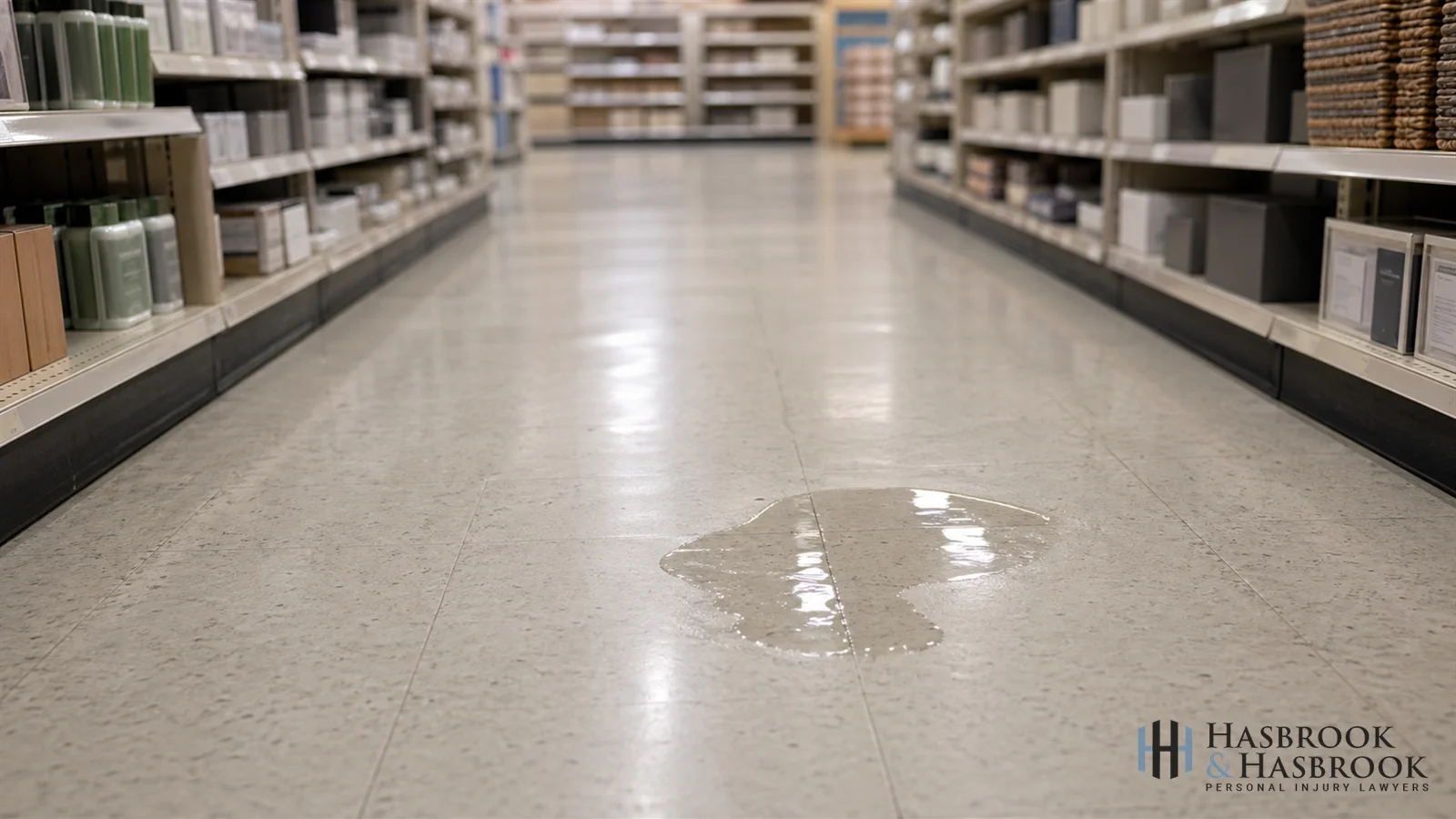

How Shared Fault Reduces Your Compensation
Each percentage point of fault assigned to you is one percentage point off your recovery. A $100,000 verdict with 20% fault yields an $80,000 recovery. A 35% fault finding on a $200,000 verdict yields $130,000. Insurers build a fault narrative against you precisely because of this math.
Before accepting any offer, understand your realistic fault exposure. Our FAQ on what partial fault means for your fall claim explains how to push back on inflated estimates before you settle.
Contributory Negligence vs. Comparative Negligence
Contributory negligence bars recovery for any plaintiff who was even 1% at fault. Oklahoma abolished that standard. Today the state uses modified comparative negligence exclusively, so partial fault reduces a recovery rather than eliminating it. Our page on comparative negligence vs. contributory negligence covers the full distinction between the two frameworks.
Strategies to Minimize Your Percentage of Fault
Building a strong record from the start limits what the defense can attribute to you. Key steps include:
- Reporting the fall immediately and preserving the incident report
- Photographing the hazard and your footwear before leaving the scene
- Gathering contact information from bystanders who can describe how long the hazard existed
- Seeking prompt medical care, because delays are used to argue the fall was minor
- Avoiding social media posts that could be misread as proof of normal activity
Our premises liability intake checklist outlines the information that strengthens a claim from day one.


Slip and Fall FAQs
Can I recover if I was wearing flip-flops when I fell?
Footwear is evidence of conduct, not an automatic bar. A jury weighs it alongside the hazard’s severity and visibility, whether any warning was posted, and the type of premises. Flip-flops at a pool area are treated differently than flip-flops on a wet restaurant floor with no warning signage.
What if I was looking at my phone when I fell?
Distraction is a common comparative fault argument. Whether it raises your percentage depends on how visible the hazard was, whether warnings were posted, and how long the condition existed. A concealed or unmarked hazard limits how far that argument carries. Know the steps to take after a slip and fall before speaking with an adjuster.
How does comparative fault affect a settlement offer?
Insurers apply an internal fault estimate and discount their offer accordingly. Challenging that estimate with documentation and witness statements is where attorney representation adds measurable value. Our slip and fall settlement amounts FAQ addresses typical ranges and the factors that move numbers up or down.
How long do I have to file a slip and fall claim in Oklahoma?
Under 12 O.S. § 95, most personal injury claims in Oklahoma must be filed within two years of the injury. Missing that deadline bars recovery regardless of how fault allocates. Our blog on the Oklahoma statute of limitations for personal injury covers the tolling exceptions that sometimes extend that window.
Hasbrook & Hasbrook Personal Injury Lawyers represent people throughout Oklahoma City and the surrounding area who have been injured in slip and fall accidents. If a property owner or insurer is inflating your fault percentage to reduce what you recover, contact our firm for a free consultation.