In Oklahoma, landlords owe a duty of reasonable care for the common areas they control, such as hallways, stairwells, parking lots, and laundry rooms, because that control creates the legal duty regardless of what the lease says. A landlord is liable when it knew or should have known about a hazard and failed to fix it within a reasonable time.
When a tenant or guest is hurt in a hallway, stairwell, laundry room, or parking lot, Oklahoma law asks one core question: who controlled that space, and did they maintain it with reasonable care? A lease clause requiring tenants to report problems does not transfer that control, or the duty attached to it, to the tenant. Hasbrook & Hasbrook represents Oklahomans hurt in rental property common areas.
What premises liability means in Oklahoma
Oklahoma applies a status-based framework to injury claims on someone else’s property: the duty owed depends on whether a visitor entered as an invitee, a licensee, or a trespasser. Tenants and their guests using shared common areas are generally invitees, the category carrying the highest duty of care, including reasonable inspections, hazard repair, and warnings of dangers that cannot be fixed right away, regardless of any lease provision. We handle premises liability claims throughout the Oklahoma City area arising in apartment complexes, condominiums, and commercial rental properties.
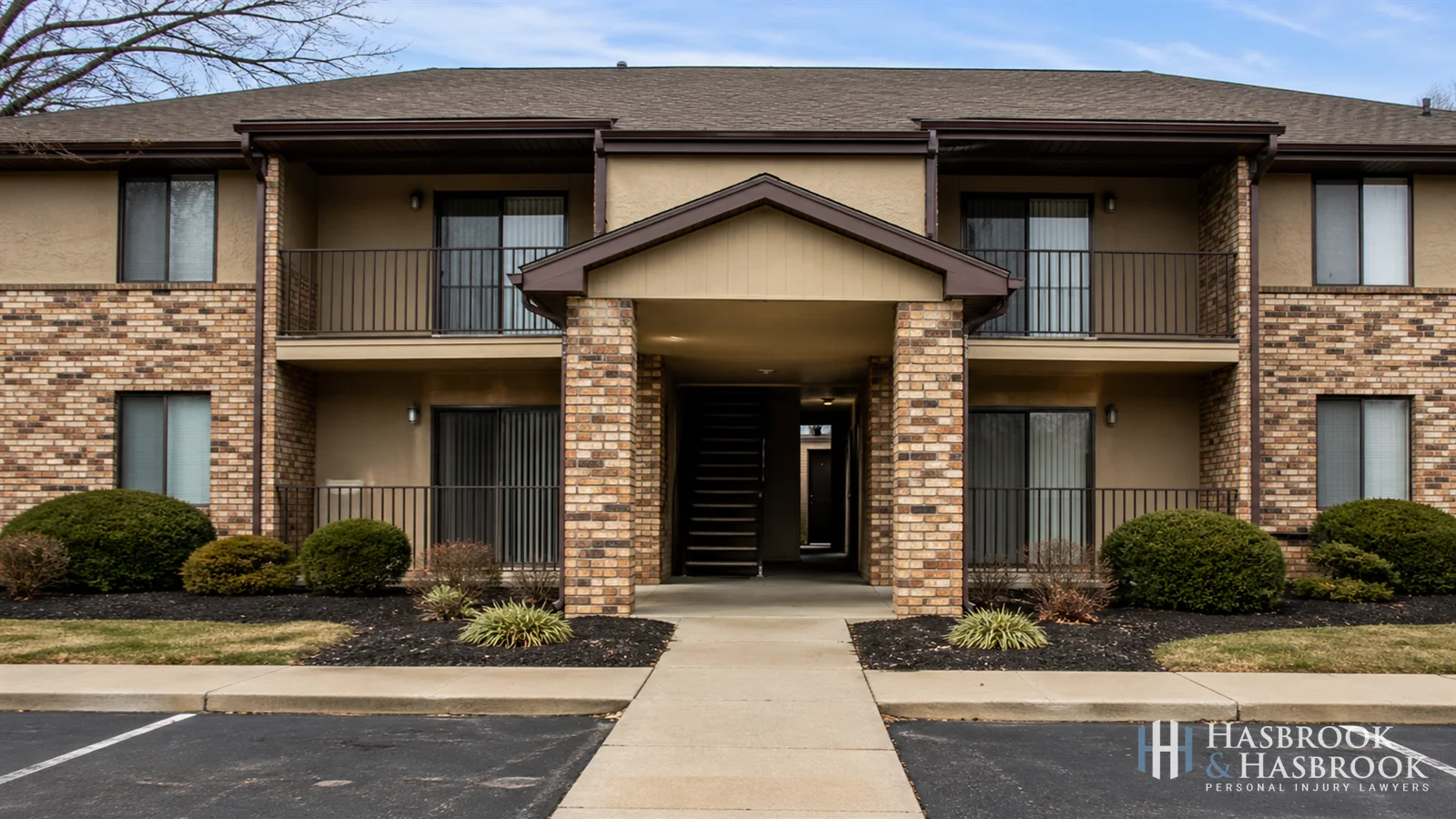
How landlord control over common areas creates a duty to maintain them
The operative principle is straightforward: control over a space creates the duty to maintain it. A tenant controls the interior of a leased unit, but the landlord retains control of every shared space, including lobbies, hallways, stairwells, laundry rooms, and parking lots. That retained control, not the lease, is the source of the landlord’s obligation to the people who use those areas.
Landlords sometimes argue that a lease clause requiring tenants to report maintenance problems shifts responsibility onto the tenant. Oklahoma’s duty analysis looks past the lease to the actual facts of control: a notification clause does not transfer a landlord’s authority to maintain a shared stairwell. As the FindLaw overview of Oklahoma landlord-tenant law explains, baseline tenant-safety protections are not something private lease terms can override. Our page on when Oklahoma property owners are liable for on-site injuries covers how courts approach this question.



Common causes of injuries in shared rental spaces
Hazards that cause serious injuries in rental common areas are often ones the landlord knew about, or should have known about, long before anyone was hurt:
- Broken stair treads or loose, missing handrails
- Burned-out or inadequate lighting in hallways, stairwells, and parking areas
- Wet or slippery flooring at entrances and in laundry rooms
- Cracked or uneven pavement in parking lots and walkways
- Malfunctioning elevators and unsecured entry points
According to the Centers for Disease Control and Prevention, unintentional falls are among the leading causes of emergency room visits and injury-related deaths nationwide, and unaddressed common area hazards are a recurring contributor.
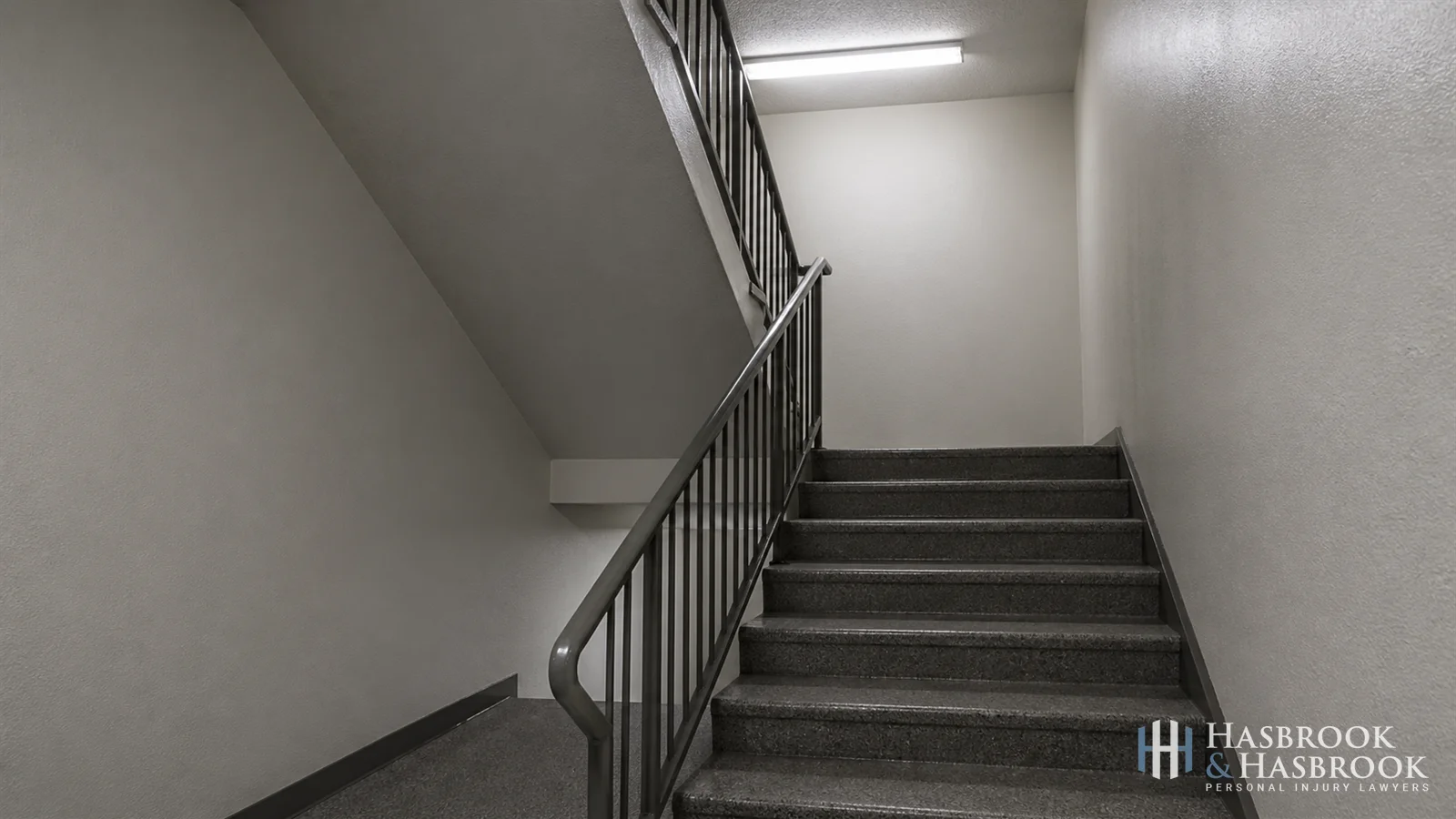
Proving landlord negligence in a common area injury case
Establishing liability requires proving duty, breach, causation, and damages. Duty is usually established simply by showing the landlord controlled the space, so the contested issues are typically breach and notice.
Actual notice means the landlord knew about the specific hazard. Constructive notice means the condition existed long enough that a reasonably careful landlord would have discovered it. Our notice proof framework for Oklahoma premises cases explains how courts weigh prior complaints and inspection records, and our evidence preservation checklist for fall claims identifies what to secure before management repairs the scene.
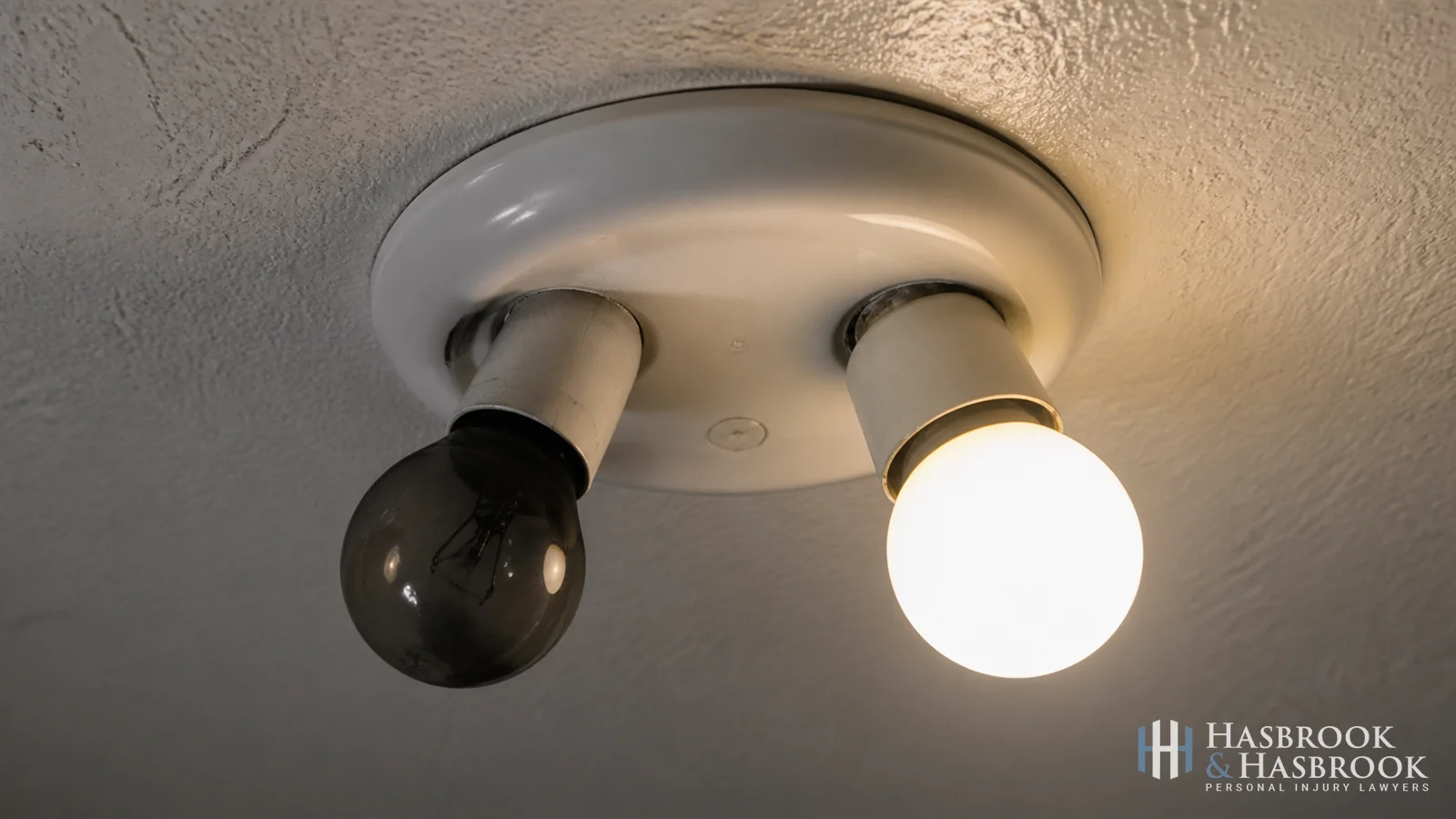
Snow, ice, and outdoor common areas
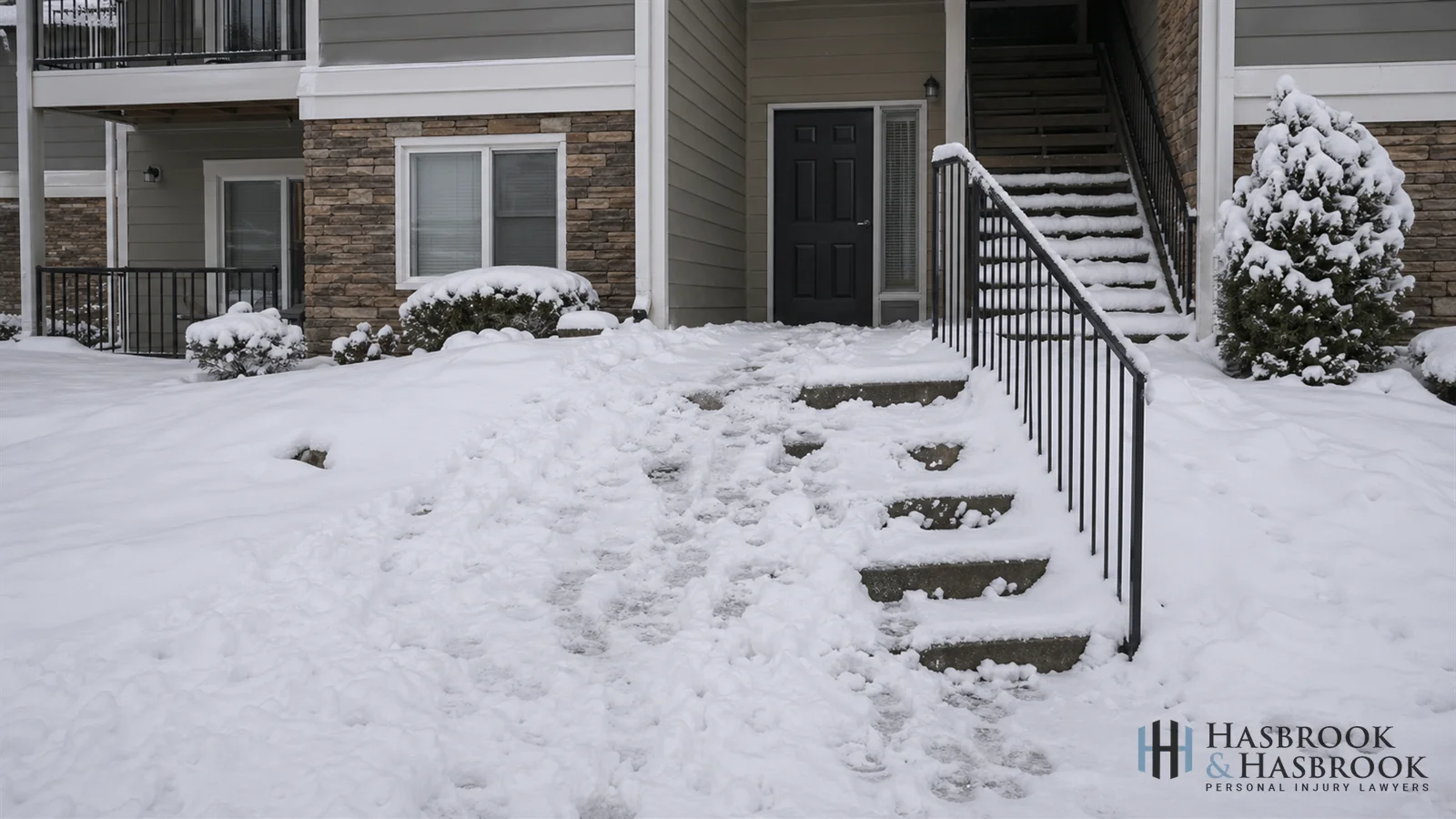
Oklahoma follows the common law natural accumulation doctrine, which generally limits a landlord’s liability for injuries caused by snow or ice that accumulated directly from weather. That doctrine has well-recognized exceptions that come up often in multi-unit residential settings.
When a landlord takes a step that creates or worsens a hazard, such as shoveling that channels pedestrians onto an icy patch, or a drainage design that funnels water onto entry steps where it refreezes, the result is an artificial accumulation, and the natural accumulation defense does not apply. Our page on Oklahoma’s snow and ice liability rules covers these exceptions.

Who may be liable, and how comparative fault applies
Liability can extend beyond the property owner: a property management company may share liability if the owner delegated day-to-day control, a maintenance contractor can be responsible for negligent repair work, and a homeowners’ or condominium association may be a proper defendant in a townhome or condo setting. When an injury involves inadequate lighting or security rather than a physical defect, our negligent security framework for Oklahoma property owners applies alongside standard premises analysis.
Oklahoma applies a modified comparative fault system under 23 O.S. § 13. A claimant’s recovery is reduced in proportion to their own fault, and only a claimant found more than fifty percent at fault is barred from recovering anything. Landlords often argue a tenant knew about a hazard or used an area carelessly; our page on how Oklahoma juries divide fault in fall cases breaks down that argument.
Steps to take after an injury in a rental property common area
- Seek medical care immediately and keep the records; delaying treatment can harm both recovery and the claim
- Report the injury to the landlord or property manager in writing, and keep a copy
- Photograph the hazard, the surrounding area, and lighting conditions before anything is repaired
- Collect contact information from any witnesses who saw the hazard or the fall
- Consult an attorney promptly. Oklahoma generally allows two years from the date of injury under 12 O.S. § 95 to file suit, though delayed discovery of an injury and the minority of the injured person can toll that period; our page on Oklahoma’s statute of limitations for personal injury claims covers those exceptions
Compensation available after a common area injury
Tenants and guests injured in a common area can pursue the same categories of damages available in any Oklahoma personal injury claim: medical expenses, lost wages and reduced earning capacity, pain and suffering, and loss of enjoyment of life. Our page on types of recoverable damages in fall cases explains how each category is calculated.


Frequently asked questions
Is a landlord automatically liable when someone falls in a common area?
No. A fall alone does not establish liability. The injured person must still show the landlord controlled the space, knew or should have known about the hazard, and failed to correct it in a reasonable time.
Can a landlord avoid liability by posting a warning sign?
Generally not. A sign does not substitute for the duty to repair a dangerous condition. It may bear on whether a hazard was open and obvious, but that doctrine does not automatically shield a landlord when a tenant had no reasonable way to avoid the hazard.
What if the property manager blames the maintenance company?
Both can share liability for the same injury, depending on which party’s negligence caused the hazard. Oklahoma’s modified comparative fault system allows a jury to divide fault among multiple defendants.
How long do I have to file a claim?
The general personal injury statute of limitations is two years from the date of injury under 12 O.S. § 95, discussed above. Missing that deadline generally bars recovery regardless of how strong the underlying claim is.
If you or a family member was hurt in a rental property common area, the right question is not simply whether you fell. It is whether the landlord failed to maintain a space it controlled. Hasbrook & Hasbrook offers a free consultation. Call 405-605-2426 or request a free case consultation. No fee unless we recover for you.