


What Is Negligent Security Under Oklahoma Law?
Negligent security is a subcategory of premises liability. Property owners who open their land to the public owe invitees a duty of reasonable care. That duty is not limited to physical hazards. When criminal activity at a property is reasonably foreseeable, the owner’s duty extends to providing security measures adequate to address that risk. Liability is conditional on foreseeability, not a guarantee against every crime. Our negligent security claims FAQ covers how courts evaluate this duty.
Foreseeability: The Test That Controls Property Owner Liability
The central question in any negligent security case is whether the crime was foreseeable. Without foreseeability, there is no duty. Without duty, there is no liability. As described by the Cornell Law Legal Information Institute, foreseeability asks whether a reasonable person in the defendant’s position would have anticipated that a particular type of harm could occur.
Courts do not require proof that the exact crime was predicted. Foreseeability is established through evidence of prior conditions and history. Factors courts examine include:
- Prior criminal incidents at the property (assault, robbery, trespass, vandalism) documented in police call logs and incident reports
- The property’s location relative to documented area crime patterns, including Bureau of Justice Statistics victimization data
- Complaints from tenants, guests, or employees about known security deficiencies
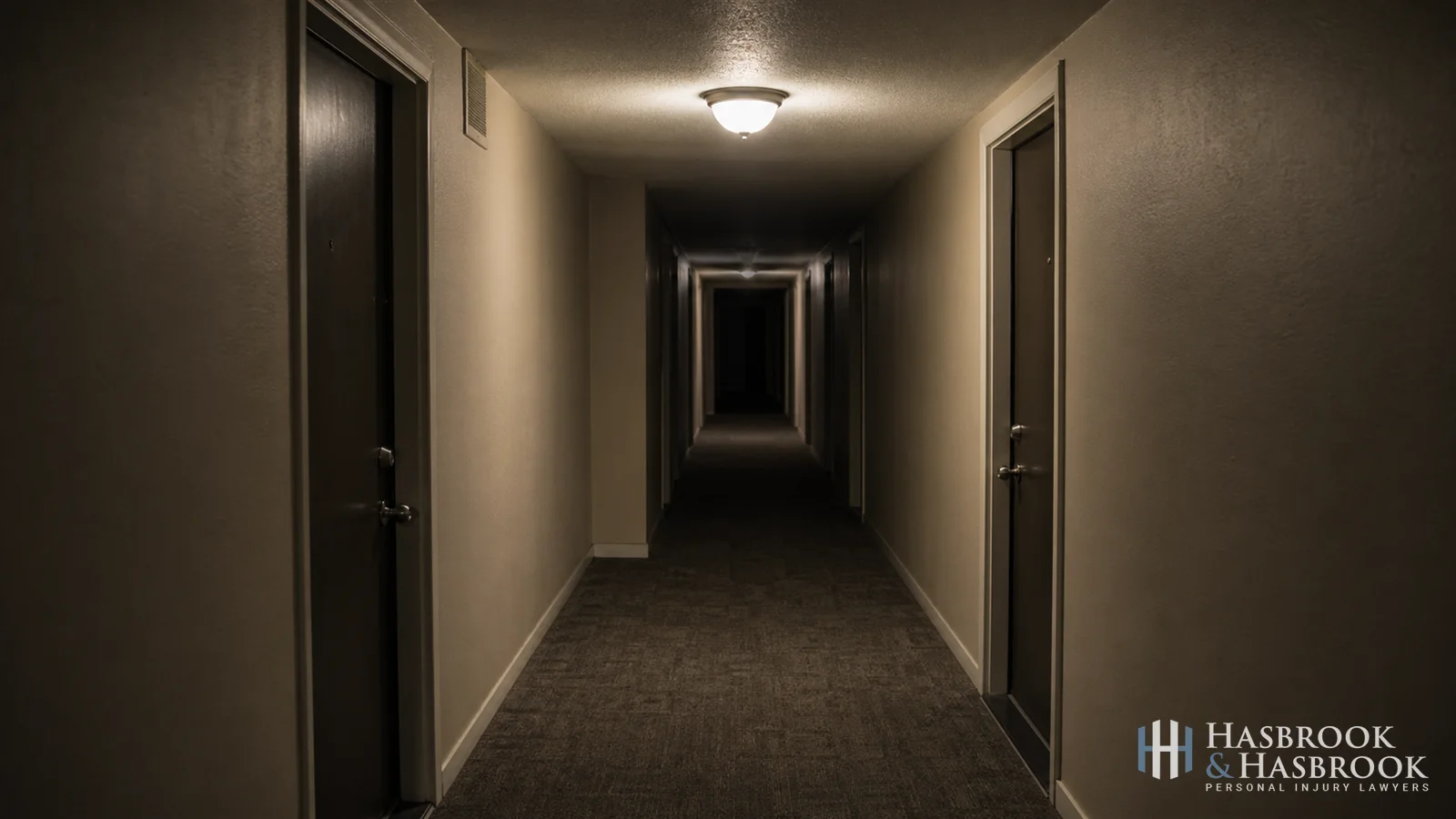
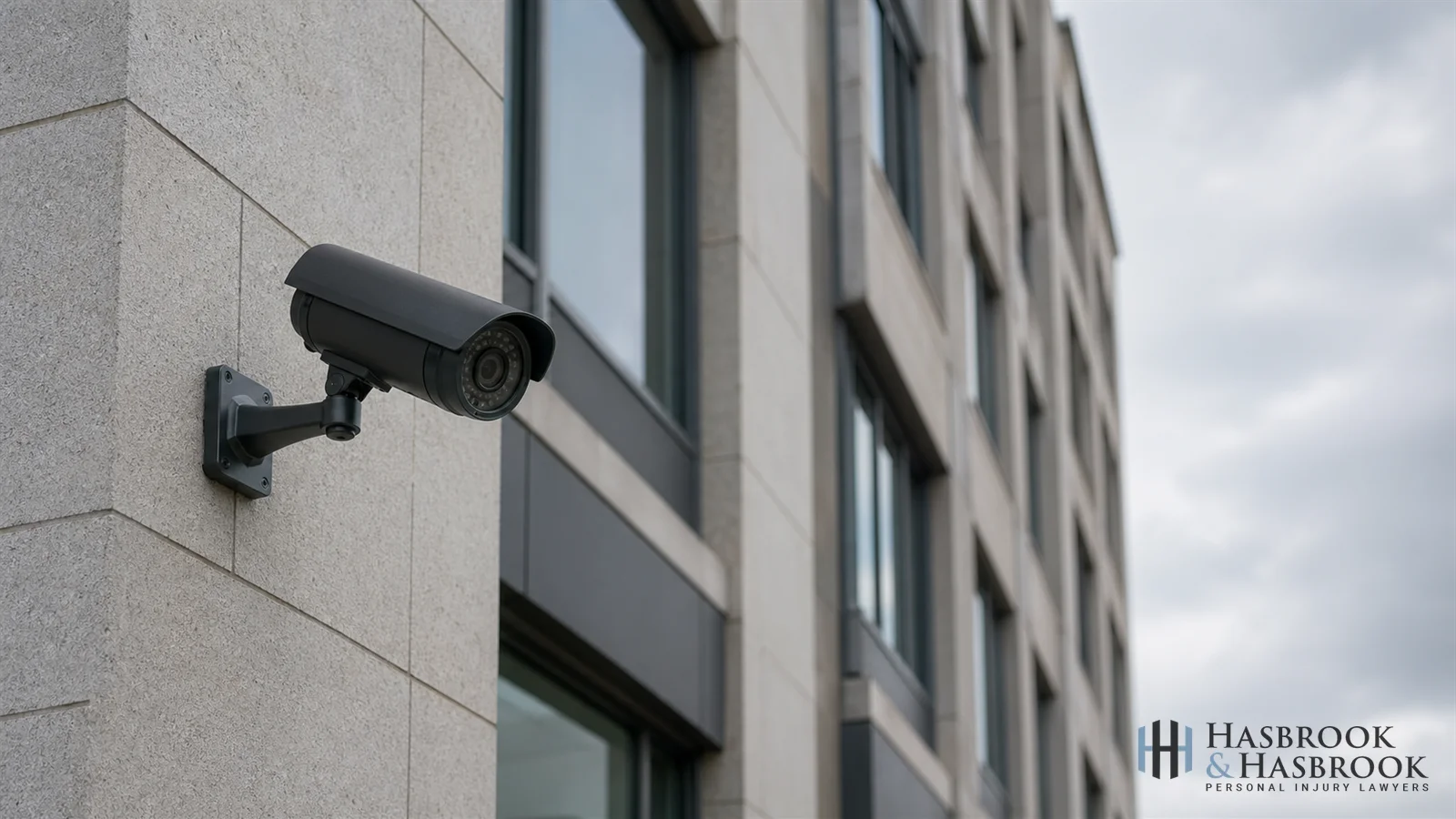
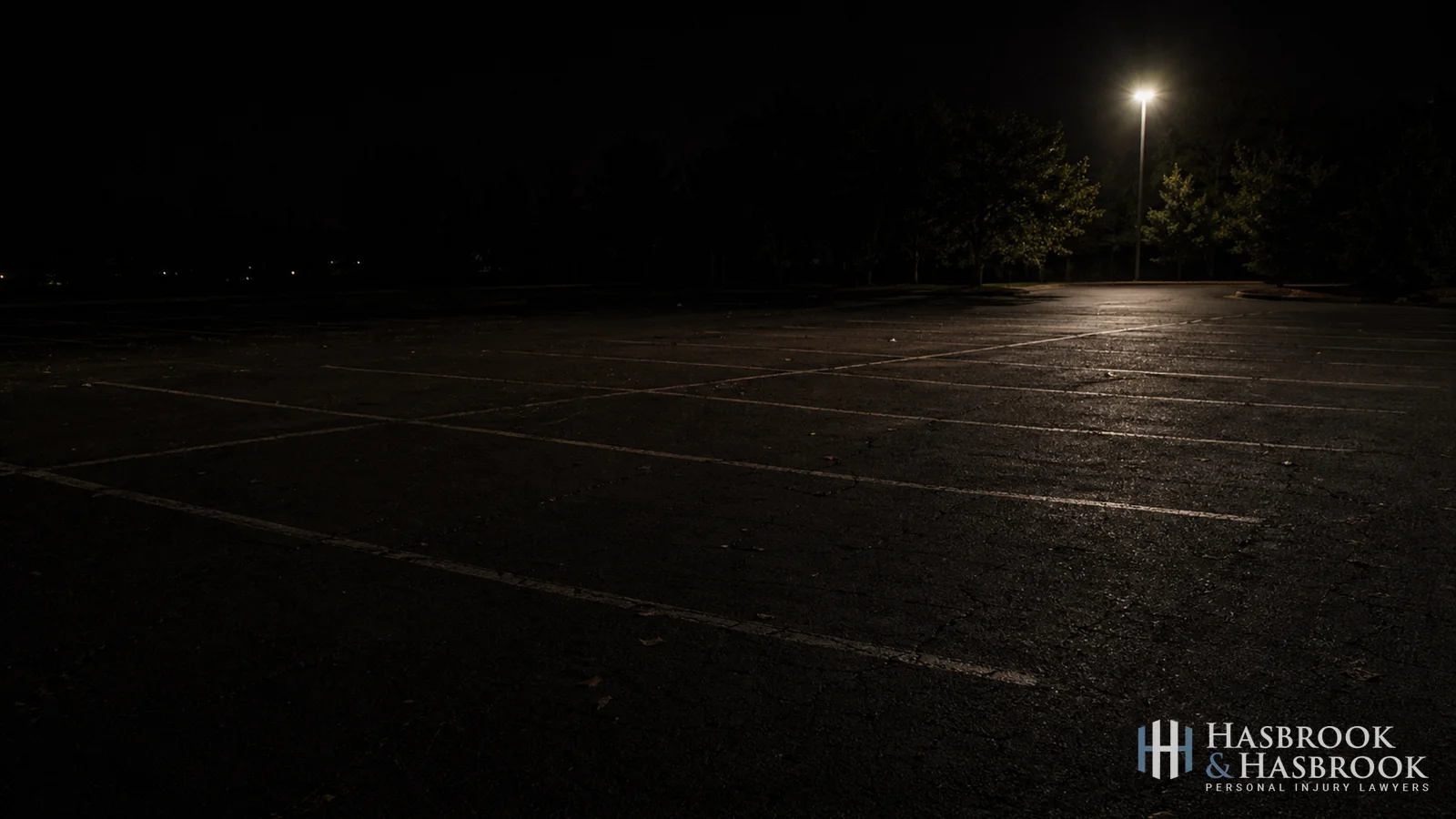
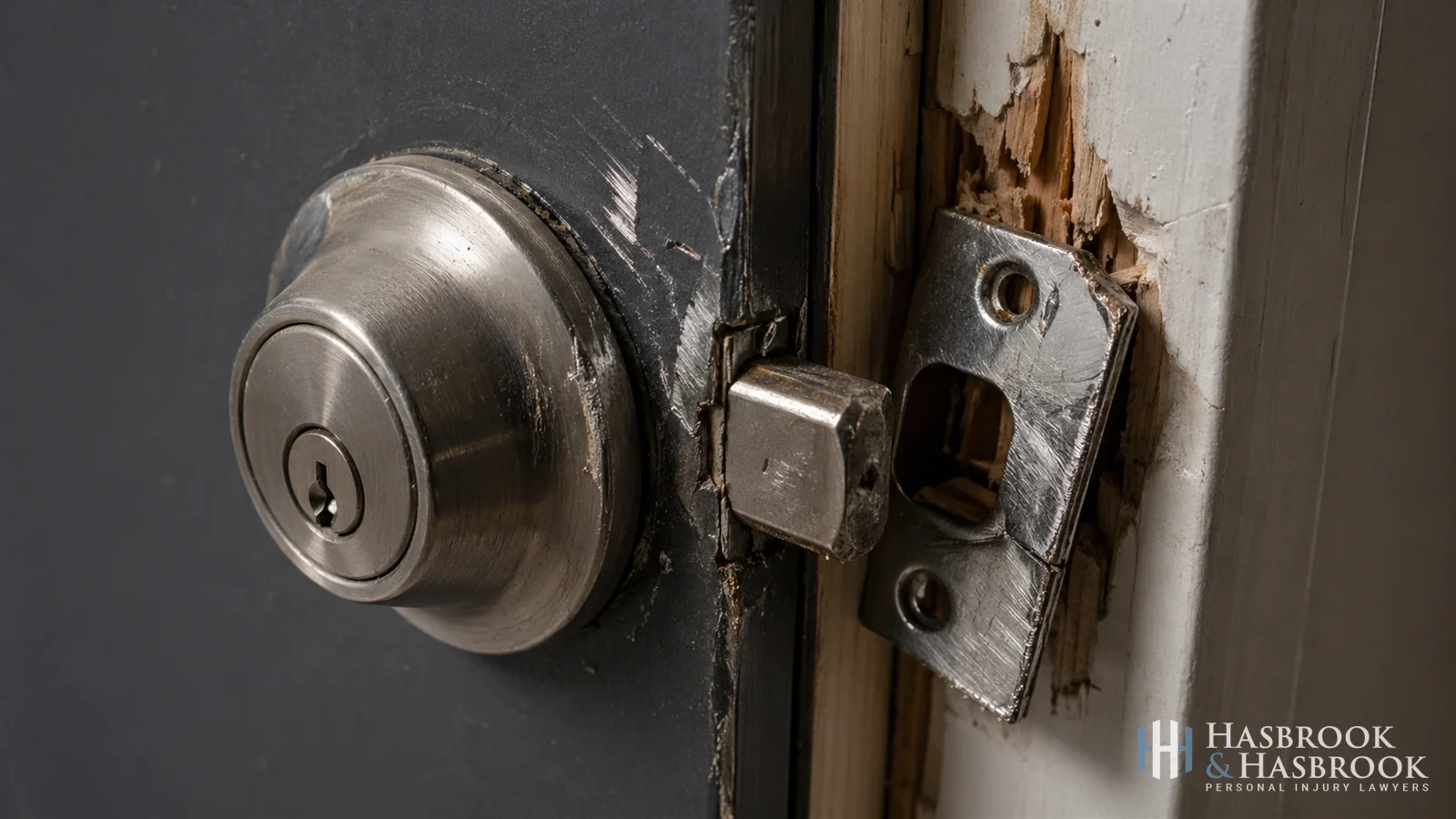
- Physical conditions that created criminal opportunity: broken entry locks, unlit parking areas, non-functioning surveillance cameras
A property with a documented history of prior assaults is held to a higher foreseeability standard than one with no crime history. For a structured application of this analysis, see our attorney resource: negligent security issue spotter. The FindLaw negligent security consumer guide provides a parallel overview for injured parties.
Property Owner Liability vs. the Criminal’s Primary Responsibility
The person who committed the crime is the primary tortfeasor. Property owner liability is secondary and conditional: it attaches only when the owner’s security failures were a contributing cause of harm that was foreseeable, not merely a backdrop to a crime that could have happened anywhere. An owner is not responsible for every crime on their land, only for those that reasonable security could have prevented given what the owner knew or should have known.
When both the criminal actor and a property owner are defendants, Oklahoma’s modified comparative fault system under 23 O.S. § 13 governs how responsibility is allocated among all parties. A plaintiff’s own fault reduces recovery proportionally but does not bar the claim unless it exceeds the combined fault of all defendants. Our overview of comparative fault in Oklahoma premises cases explains how these allocations affect recovery.

Where Negligent Security Claims Commonly Arise
These claims arise wherever property owners owe a duty to those they invite onto their premises. Common settings include:
- Apartment complexes: Tenants and guests attacked in stairwells or parking garages where management knew about broken entry systems or inadequate lighting. See our overview of landlord liability for common area injuries.
- Hotels and motels: Guests assaulted in rooms with defective locks or in parking areas where camera coverage and lighting were inadequate for the property’s known crime exposure.
- Parking lots and garages: Lighting levels, camera placement, and staffed security policies directly bear on foreseeability. Preserving security camera footage is time-critical, as retention windows are often 30 days or fewer.
- Bars and nightclubs: Operators who fail to control known violent patrons may face civil exposure separate from dram shop liability.
- Retail stores and shopping centers: Inadequate parking lot lighting and absent surveillance, particularly in locations with documented prior crime. The CDC’s violence prevention data identifies assaults as a leading cause of injury-related emergency department visits, supporting the foreseeability of violent incidents at high-traffic commercial locations.
Why Prior Similar Incidents Matter to Foreseeability
A documented crime history at the property is often the strongest evidence the next incident was foreseeable. Evidence typically sought includes:
- Police call logs for the property address for the three to five years preceding the incident
- Management incident reports and on-site security log entries
- Written complaints from tenants or guests about security equipment failures
- Maintenance records showing deferred repair of locks, lighting, or cameras
Even a pattern of lower-level crimes, including repeated trespass or vandalism, can establish foreseeability for a subsequent violent incident. Early preservation using the premises liability intake checklist is essential because these records are frequently overwritten quickly.
Identifying Who Can Be Held Liable
Negligent security cases often involve multiple defendants. Identifying each one early matters because each may carry separate insurance and have separate discovery obligations. Potential defendants include:
- The property owner, the individual or entity holding title
- The property management company, if a separate firm operated the premises
- A commercial tenant that controlled the specific area where the crime occurred
- A contracted security company hired to provide services but that failed to perform adequately
- The criminal actor, who retains primary liability for the intentional harm
Defendant identification turns on which party controlled the security measures that failed. The FAQ on Oklahoma property owner liability covers how control over a premises is analyzed.


Evidence That Supports a Negligent Security Claim
A viable claim requires evidence establishing foreseeability, the security failure, and a causal link to the plaintiff’s harm. Core categories include:
- Crime and incident history: police reports, 911 call logs, and prior civil claims at the property
- Physical condition documentation: photographs of broken locks, burned-out lights, or missing access control hardware
- Surveillance system records: whether cameras were operational, positioned correctly, and recording at the time of the incident
- Security contracts and staffing records: what the owner agreed to provide versus what was actually delivered
- Expert opinions on security standards: professional evaluation of whether the property’s measures met industry norms for its type and location
The discovery process in these cases commonly includes formal requests for the property’s full security and incident history. Our guide on documenting injuries after a premises incident covers early steps an injured party should take. Witness statements carry particular weight when physical evidence has been disturbed or is disputed.
Damages, Fault Allocation, and the Filing Deadline
Recoverable damages can include medical expenses, lost wages, reduced earning capacity, and pain and suffering. When a family member did not survive, wrongful death damages may be available. Our overview of how a personal injury claim is valued covers the factors affecting recovery amounts. Related claims, including slip-and-fall injuries on hazardous property conditions, share a similar analytical framework under Oklahoma notice and knowledge rules.
Oklahoma’s personal injury filing deadline under 12 O.S. § 95 gives most injured parties two years from the date of injury to file suit. The general rule is explained in our overview of Oklahoma’s statute of limitations, and limited exceptions to the deadline may apply. Because security footage and incident logs are routinely overwritten within weeks, acting early is essential.
Speak with an Oklahoma City Premises Liability Attorney
If you were attacked at a property where security failures contributed, building your claim requires acting before evidence disappears. Contact us for a free consultation. Hasbrook & Hasbrook Personal Injury Lawyers serve clients throughout Oklahoma City and the surrounding metro area and can evaluate what your claim may be worth and what steps must be taken immediately.

Frequently Asked Questions About Negligent Security Claims in Oklahoma
Can a property owner be liable even if no crimes had occurred there before?
Yes, in some cases. If the property’s physical conditions, such as poor lighting or broken entry points, made criminal activity foreseeable even without a prior incident at that address, a court may still find a duty existed. The analysis covers what the owner should have known, not only what was reported. See our negligent security FAQ.
What happens if I was partially at fault for being in a dangerous area?
Oklahoma’s modified comparative fault rule allows recovery even when the plaintiff bears some share of responsibility, provided that share does not exceed the combined fault of all defendants. A partial fault finding reduces recovery proportionally. Our page on partial fault in Oklahoma premises cases explains the calculation.
How long do I have to file a negligent security claim in Oklahoma?
Most claims must be filed within two years under 12 O.S. § 95. Government entities require shorter advance notice. Because surveillance footage is frequently overwritten within 30 days, consulting an attorney early protects evidence regardless of the remaining deadline.
Can I sue both the criminal and the property owner?
Yes. Both are separate defendants with separate theories of liability. The criminal’s primary responsibility does not eliminate the property owner’s conditional civil liability for a foreseeable harm that adequate security could have prevented.